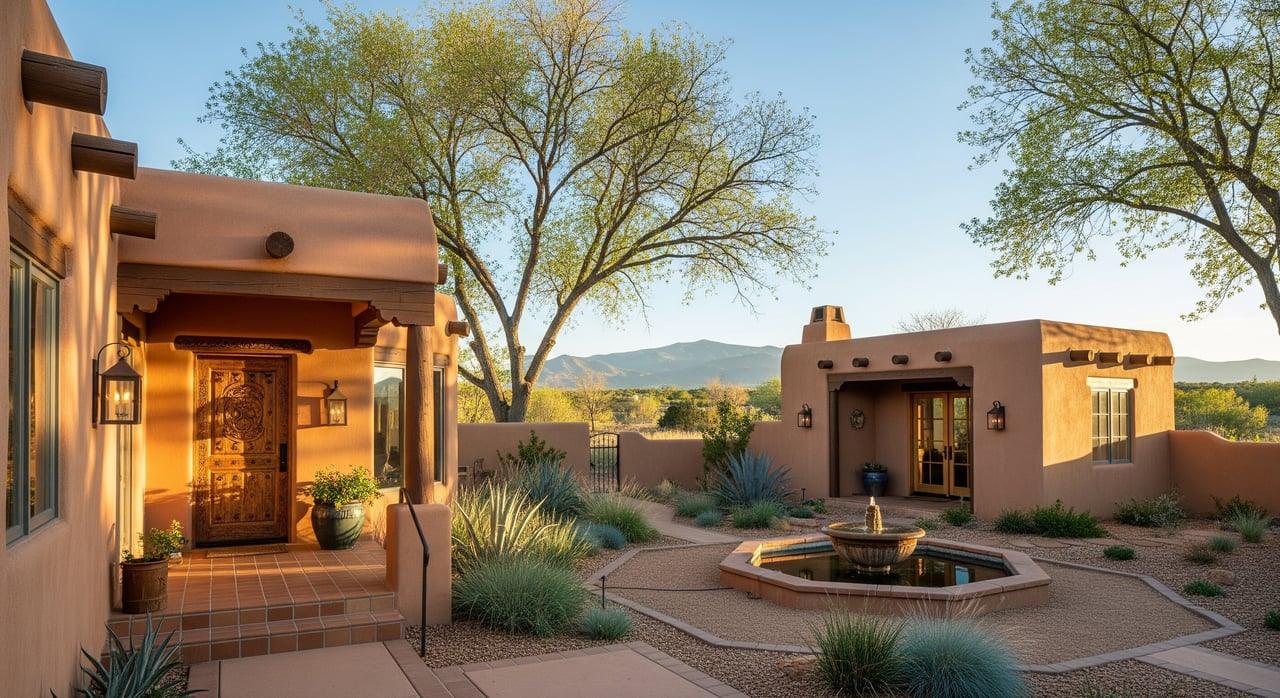
Thinking about adding a casita for family or rental income, or eyeing a Near North Valley home that already has one? You are not alone. ADUs can boost flexibility and long-term value, but financing and appraisal hinge on permits, documentation, and how lenders treat rental income. This guide breaks down what matters most to lenders and appraisers in Near North Valley, plus practical steps to protect value and keep your loan on track. Let’s dive in.
What counts as an ADU or casita
An accessory dwelling unit, often called a casita, is a secondary living space on the same lot as a primary home. It can be attached, detached, a garage conversion, a basement apartment, or an above-garage suite. Appraisers and lenders look for a separate entrance, a full kitchen and bath, and a distinct sleeping area. Legal status, permits, and safety features are key to recognition in both financing and value.
Local checkpoints that affect loans and value
City vs. county rules
Near North Valley properties can sit inside City of Albuquerque limits or in unincorporated Bernalillo County. Zoning, size limits, setbacks, parking, and owner-occupancy rules vary by jurisdiction. Always verify permits and code compliance with the correct planning and building department before you buy or build.
Septic, sewer, and utilities
Older or more rural pockets may rely on septic. Adding or legalizing an ADU can trigger septic capacity reviews or upgrades. Separate utility meters can help with underwriting and income documentation, but they must meet local requirements.
Floodplain and insurance
Parts of the North Valley lie near the Rio Grande floodplain. If a property is in a mapped flood zone, lenders may require flood insurance. Flood status can also influence project feasibility and long-term carrying costs.
Historic overlays and neighborhood rules
Certain neighborhoods have design reviews or restrictions that affect exterior changes or new structures. Confirm whether any overlay or HOA rules apply to the lot and intended use.
How lenders finance homes with ADUs
Buying a home with a casita
Most conventional, FHA, VA, and USDA loans can finance a single-family property with a legal ADU. Lenders check for permits, code compliance, and life-safety features like proper egress and smoke/CO alarms. If the ADU is rented, some programs allow a portion of documented rental income to help you qualify, typically with a current lease or tax-return history.
Refinancing and cash-out refinance
When you refinance, the appraiser values the entire property, including a legal ADU. If the casita meaningfully contributes to value or income, it can support your loan-to-value and pricing. For cash-out, program LTV limits apply and lenders will still require that the ADU be legal and safe.
Building or converting with renovation financing
You may be able to fund an ADU through renovation or construction options. FHA 203(k) can cover certain conversions within program rules. Fannie Mae HomeStyle Renovation can finance projects that include accessory units with proper plans, bids, and inspections. Local banks and credit unions may offer portfolio construction loans for detached casitas. Many lenders will not count future rent for qualification until construction is complete and leased.
HELOCs and state/local programs
HELOCs and home equity loans are common for ADU additions and rely on your equity, credit, and income more than the future unit itself. State or local programs may offer rehab or low-interest options; check New Mexico resources early to compare terms.
Program differences at a glance
- Conventional: Often more flexible with documented ADU rental income; strict appraisal standards.
- FHA: Detailed safety and compliance rules; may require extra documentation and appraiser notes.
- VA: Recognizes ADUs with occupancy and safety adherence.
- USDA: Area eligibility rules apply and treatment of ADUs may differ.
- Portfolio/local lenders: Can be more flexible for unique casitas common in Near North Valley.
How appraisers value ADUs
Sales comparison approach
This is the primary method for single-family homes. Appraisers seek comparable sales with similar ADUs. In markets with few ADU comps, adjustments become more judgment-driven, which can create variance between expected and appraised values.
Income approach
If the ADU is rented, appraisers may analyze in-place income using a market rate or a lease, then apply reasonable vacancy and expense assumptions. Underwriters often prefer a lease history or tax returns and may treat projected rent conservatively.
Cost approach
For newer or unique ADUs, the appraiser may estimate replacement cost minus depreciation. While informative, lenders still prefer credible sales comparisons when available.
Documentation that helps the appraisal
- Finaled permits and a certificate of occupancy.
- Leases, rent rolls, and preferably 12–24 months of tax returns showing rental income.
- A floor plan that shows square footage and separate access.
- Evidence of separate utilities or billing, if applicable.
- Photos of the entrance, kitchen, bath, and sleeping area.
Typical outcomes and pitfalls
ADUs usually add market value, but not always dollar-for-dollar against build cost. Scarcity of ADU comps is the most common reason values come in below owner expectations. Unpermitted or nonconforming units may be excluded from value, discounted, or trigger lender conditions to legalize or modify before closing.
Permits, taxes, insurance, and risk items
- Permits and legal status: Unpermitted ADUs are a top reason loans get delayed or denied. Legalize before listing or refinancing when feasible.
- Property tax: Adding or legalizing an ADU may prompt reassessment and change your property taxes.
- Rental income taxes: Report rental income and track expenses. Speak with a tax professional about depreciation and deductions.
- Insurance: Standard homeowners policies can limit rental use. Consider a landlord-type policy or endorsements. Flood insurance may be required if the property is in a mapped flood zone.
- Health and safety: Egress, smoke/CO alarms, and proper separation can be required when a property functions as two dwellings. Septic capacity and utility connections must meet code.
Owner and buyer checklist for Near North Valley
- Verify jurisdiction: Confirm whether the property is under City of Albuquerque or Bernalillo County rules.
- Gather permits: Pull building permits, final inspections, and any certificate of occupancy for the ADU.
- Map the space: Create an as-built floor plan showing GLA, separate access, kitchen, and bath.
- Document income: Provide current lease(s), rent roll, and 2 years of tax returns if available.
- Show utilities: Include bills and proof of separate meters, if applicable.
- Prepare property details: Site plan with parking and setbacks; photos of interior and exterior.
- Line up contractors: Keep bids, invoices, and warranties handy for recent builds or renovations.
Selling a home with a casita
- Legalize first when possible: Closing is smoother and buyer demand is broader when the unit is fully permitted and inspected.
- Make it self-contained: A full kitchen and separate entrance are more attractive to buyers and clearer for appraisers.
- Present income cleanly: If rented, assemble leases and tax returns. If vacant, consider a market rent estimate from a qualified professional.
- Check safety: Confirm egress, smoke/CO alarms, and functional HVAC and insulation.
- Clarify utilities: Separate meters or clear allocation notes help underwriting and valuation.
What to do next
If you are weighing a purchase, refinance, or build, the most important steps are to verify legal status, organize documentation, and engage your lender and appraiser early. A well-documented, code-compliant casita with clear income history stands the best chance of strong valuation and smoother financing.
When you are ready, get local, process-driven guidance tailored to Near North Valley. Connect with Andrea A Romero to map your options, position your property for appraisal, and navigate financing with confidence.
FAQs
How do lenders count ADU rent in Near North Valley?
- It depends on the loan program and your documents; conventional loans may accept a portion with a current lease or tax returns, while FHA and VA have specific rules and paperwork.
Can I build a detached casita using renovation financing?
- Possibly; options like FHA 203(k), Fannie Mae HomeStyle Renovation, or local construction loans may work, each with contractor bids, permits, inspections, and program limits.
Will an unpermitted casita hurt my refinance or appraisal?
- Often yes; lenders may discount or exclude unpermitted space and can require you to legalize, modify, or remove elements before approving the loan.
How much value does an ADU add in Near North Valley?
- It varies; ADUs typically increase market value but not always equal to build cost, and results depend on comparable sales and rental demand.
What documents should I give the appraiser for my casita?
- Provide permits and final inspections, a floor plan, photos, leases or rent rolls, tax returns showing rental income, and utility details or separate meters.
Do I need flood insurance for a property with an ADU?
- Only if the property lies in a mapped flood zone or your lender requires it; verifying floodplain status early helps you budget and plan.