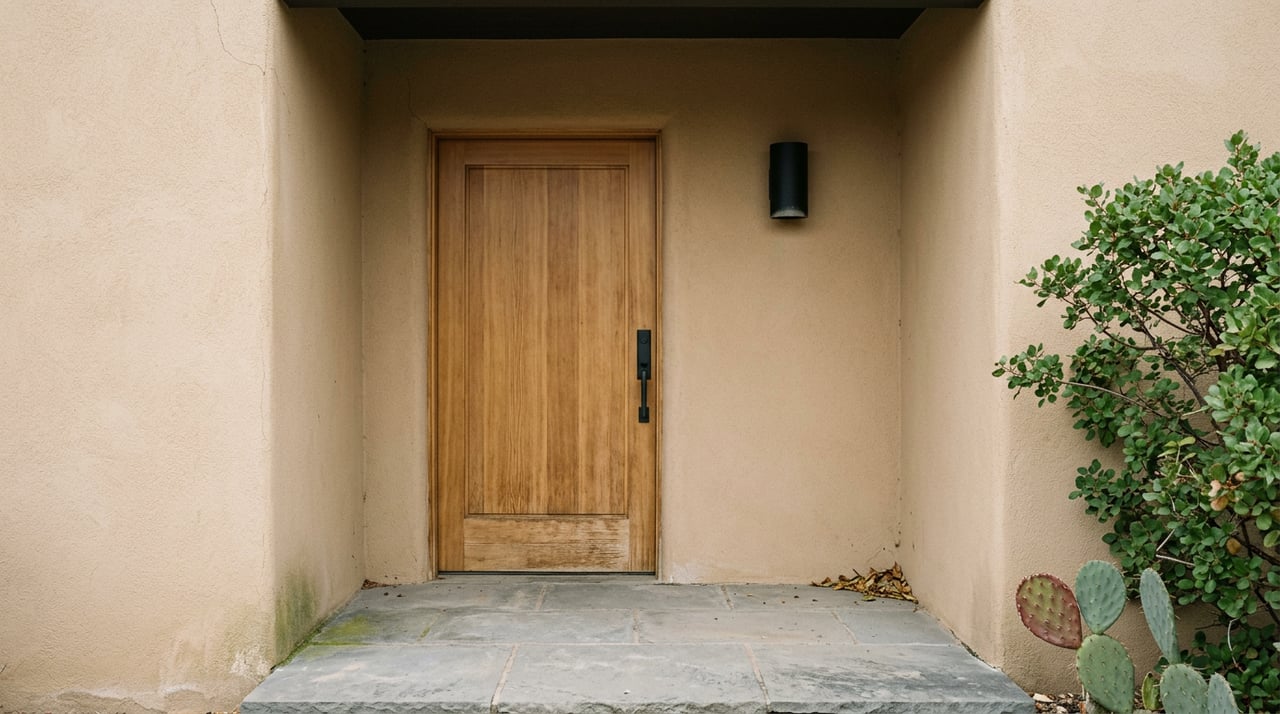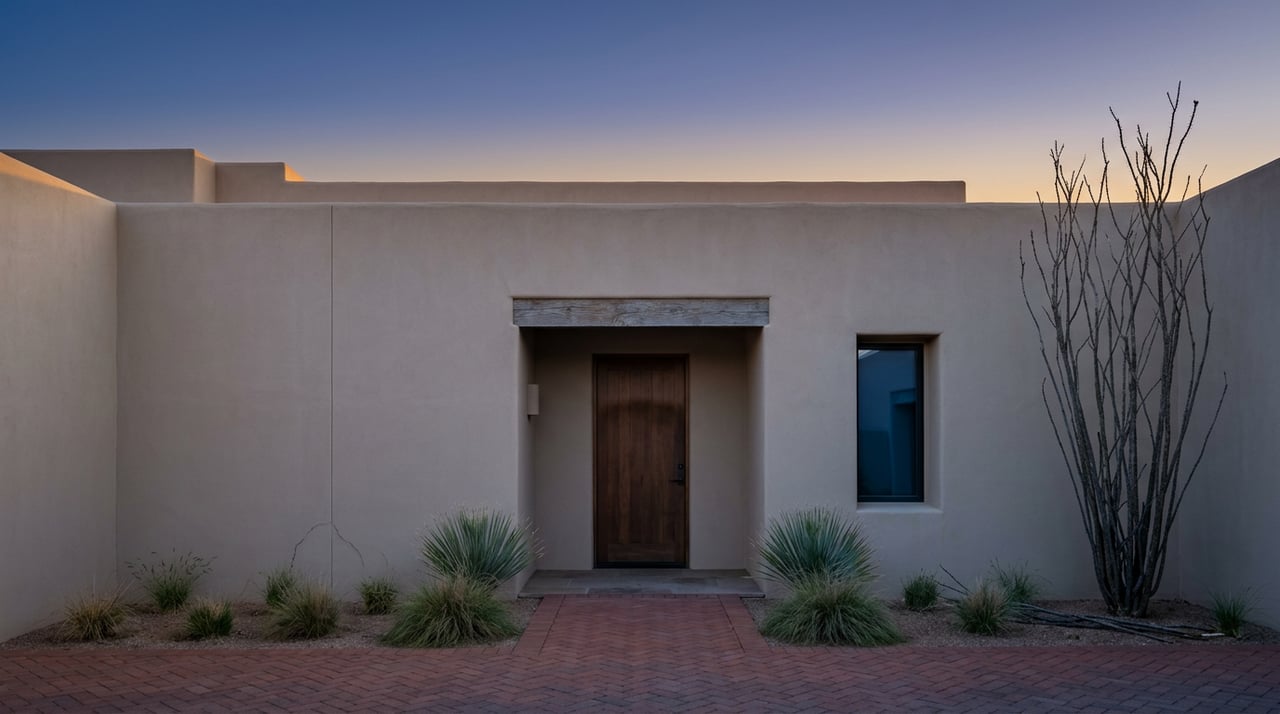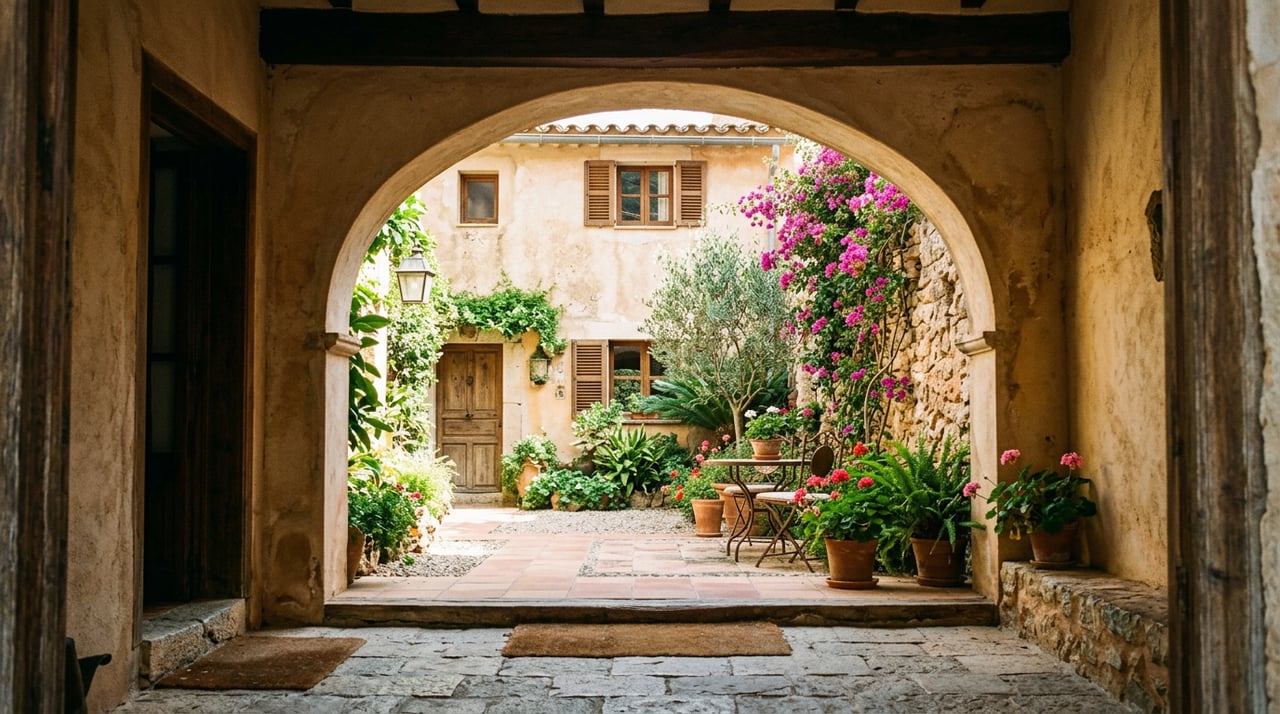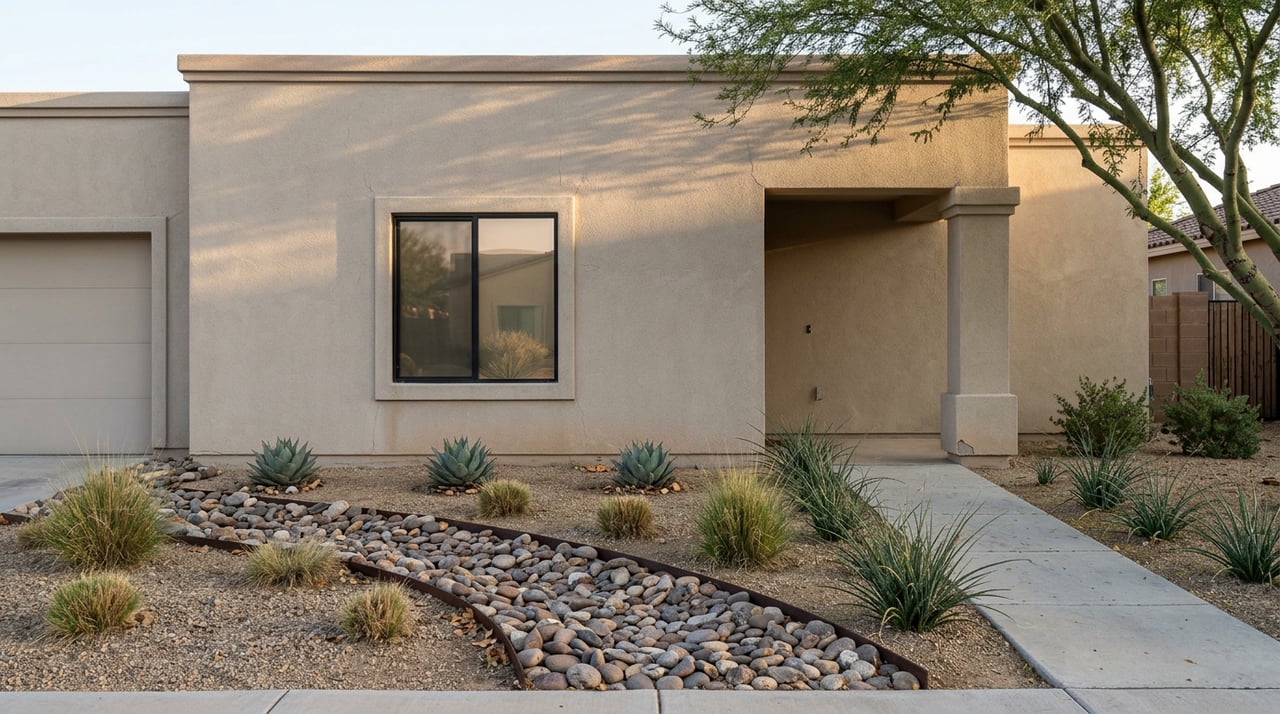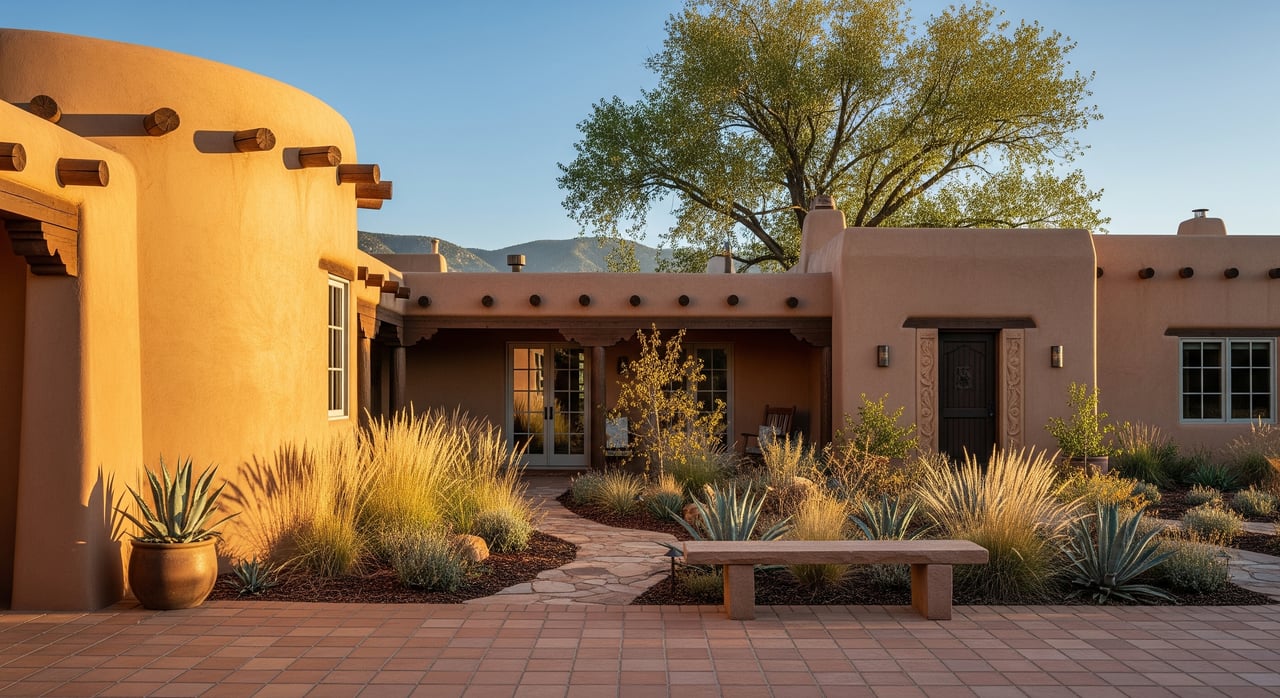
Scrolling MLS photos in the Near North Valley and wondering if you’re seeing true adobe or a Pueblo Revival lookalike? You’re not alone. In Albuquerque’s high‑desert climate, the difference between earthen walls and framed stucco can affect maintenance, inspections, and long‑term comfort. This guide shows you how to spot each style in photos, what construction details mean for upkeep, and how these choices can impact resale in our local market. Let’s dive in.
Why style matters in Near North Valley
Near North Valley homes sit in a high‑desert setting with hot summers, monsoon bursts, and cold winters. Water management is critical for flat roofs, parapets, stucco, and earthen plasters. That means style is more than curb appeal. It often signals how a home handles moisture and temperature swings.
Authentic details like vigas, kiva fireplaces, and thick walls can boost buyer interest. At the same time, specialized maintenance on older adobe or poorly executed remodels can narrow the buyer pool or affect pricing. Knowing what you’re looking at helps you plan inspections, budget upgrades, and set smart expectations.
Adobe: What to look for
Visual cues in photos
- Thick, rounded walls with soft corners and sculpted surfaces.
- Deeply recessed windows and doors, often with tapering around openings.
- Matte, earth‑toned plaster rather than glossy stucco.
Interior signs
- Thick window sills and rounded corners inside.
- Sometimes visible adobe bricks where plaster was removed.
- Lower ceiling heights in older rooms are common.
Construction and performance
Traditional adobe uses sun‑dried earthen bricks and mud mortar. The walls are thick and load‑bearing, which adds thermal mass that helps smooth daily temperature swings. Cutting large new openings usually requires structural reinforcement. Exterior finishes must be compatible with earthen masonry, so earthen or lime plasters are preferred.
Adobe’s thermal mass works well in Albuquerque’s climate, but the R‑value per inch is lower than insulated framing. Many owners improve comfort with insulated roofs, storm windows, or discreet interior insulation strategies.
Maintenance and inspection focus
- Water is the enemy. Look for stains at the base of walls, peeling plaster near parapets, or patched stucco.
- Flat roofs need regular membrane checks, especially after storms. Watch for sagging or vegetation.
- If the exterior is cement stucco applied over adobe, ask when it was done and how moisture is managed.
- Verify any structural or seismic retrofits and permits if you see large openings or repaired cracks.
Pueblo Revival: How it differs
Visual cues in photos
- Flat roofs with parapets and stepped rooflines.
- Vigas projecting through exterior walls at the roofline.
- Portals (covered porches), rounded buttresses, and smooth stucco in earth tones.
- Latillas often appear on ceilings or porch roofs.
Construction reality
Pueblo Revival is a style, not a construction type. In the Near North Valley, you’ll see both true adobe and modern wood‑framed homes clad in stucco and shaped to look like adobe. Many 20th‑century and later Pueblo Revival homes are framed for code compliance and insulation.
Performance and upkeep
Framed Pueblo Revival homes typically include standard cavity insulation, which can deliver predictable heating and cooling performance. They still rely on well‑detailed flat roofs and parapets. The same water‑management checks apply: clean drainage, intact membranes, and sound flashing.
Maintenance red flags
- Parapet edge cracking or peeling, membrane patches at corners, or roof ponding.
- Staining on stucco at window heads or wall bases.
- Exposed vigas with weathering or rot where they penetrate walls.
Territorial touches you may see
Not every home is purely Pueblo or adobe. Territorial and Territorial Revival details often mix in.
- Straighter lines and rectilinear façades compared to rounded Pueblo forms.
- Brick coping along parapet tops is a telltale Territorial cue.
- Simple wood window and door trim, sometimes in contrasting paint colors.
It’s common to see Pueblo massing with Territorial brick coping and trim. Construction may be adobe or framed with stucco.
MLS photo quick‑scan checklist
- Likely authentic adobe: thick, irregular walls, deep window recesses, minimal sharp trim.
- Likely framed Pueblo Revival: crisp corners, uniform thin walls, modern windows close to the surface.
- Roofline cues: projecting vigas, flat roofs with parapets; brick coping suggests Territorial influence.
- Condition clues: staining near wall bases, peeling at parapets, roof sags, or mismatched stucco patches.
Resale and buyer appeal in Near North Valley
What draws buyers
- Authentic features that are intact and documented, like vigas, latillas, kiva fireplaces, bancos, carved doors, and nichos.
- Outdoor living: portals, courtyards, and mature shade that fit our climate.
- Thoughtful upgrades that respect character, such as discreet insulation, storm windows, and modernized HVAC or electrical systems.
What can limit value
- Chronic moisture issues, especially where cement stucco was applied on adobe without mitigation.
- Structural cracking, bulging walls, or large unpermitted openings in thick walls.
- Additions that clash with the original massing or detailing.
Plan your inspections and questions
Key questions for the listing agent or seller
- What is the wall construction: adobe, block, concrete, or wood frame with stucco? Any documentation?
- What exterior finish is present: earthen, lime, or cement stucco? When was it last renewed?
- What is the roof type and repair history? Any leaks or insurance claims?
- Any known moisture issues at wall bases, parapets, or around windows and doors?
- When were HVAC, electrical, and plumbing last updated? Any structural or seismic retrofits with permits?
Inspections to order
- General home inspection plus a roof inspection by a flat‑roof specialist.
- If adobe or significant historic fabric is suspected, bring in an earthen‑masonry specialist.
- Moisture assessment using infrared and meters, focusing on parapets, roof‑to‑wall junctions, and wall bases.
- Structural or engineer review if you see diagonal cracks, bulges, or large openings in thick walls.
- Pest inspection for wood‑penetrating insects at vigas and latillas.
Renovation and permitting basics
- Verify permits for prior structural changes, especially new openings in load‑bearing adobe.
- Check for any historic district or design review requirements that could affect exterior changes to parapets, vigas, or portals.
- Use specialists experienced with adobe and compatible plasters if you plan exterior repairs, and consult building‑science pros before adding insulation to earthen walls.
Which style fits your goals?
- You want historic character and authenticity: Consider well‑documented adobe with preserved features. Budget for routine plaster care, flat‑roof maintenance, and specialized trades.
- You want lower‑maintenance comfort: Framed Pueblo Revival or Territorial Revival with modern insulation and a well‑detailed roof can offer predictable performance.
- You want a renovation opportunity: Look for solid structure and roof, with room for mechanical upgrades that respect original character.
Ready to compare homes side by side?
If you’re weighing authentic adobe against Pueblo Revival options, a clear inspection plan and apples‑to‑apples maintenance outlook will help you choose with confidence. For tailored guidance, neighborhood insight, and a process‑driven plan from search to close, connect with Andrea A Romero. Get your free home valuation or start a focused buyer strategy today.
FAQs
How can I tell Adobe from framed Pueblo Revival in Near North Valley listing photos?
- Look for thick, rounded walls with deep window recesses for adobe, and crisp corners with thin wall profiles and modern windows near the surface for framed Pueblo Revival.
Are flat roofs a problem in Albuquerque’s climate for homes in the Near North Valley?
- Flat roofs work well when membranes, parapets, and drainage are well detailed and maintained, but they need more frequent inspections than pitched roofs.
Does cement stucco over adobe cause issues in Near North Valley homes?
- Cement stucco can trap moisture against earthen walls, so verify what finish is present and ask about maintenance history and any mitigation steps.
How energy efficient are thick adobe walls in the Albuquerque area?
- Adobe offers high thermal mass that smooths daily temperature swings, and many owners boost performance with insulated roofs and storm windows.
What inspections should I prioritize for an older Near North Valley property?
- Order a general and roof inspection, moisture assessment, and if adobe is suspected, a specialist earthen‑masonry review, plus structural and pest checks as needed.