Walk down a stretch of Fourth Street or Candelaria Road this weekend and you will notice something odd about the house numbers. Some of them are doing double duty, marking not just an address but a stop on a route, one of twenty working studios where forty six artists will spend Saturday and Sunday explaining what they make and how they make it. The North Valley Studio Tour returns September 19 and 20, 2026, free and open to anyone willing to knock on an unfamiliar door, and the thing almost nobody tells you before you go is that the numbers on the map are not meant to be followed in order.
That single detail changes how the whole weekend should work.
The Route Isn't a Route
The tour's own organizers are direct about this. The numbers exist to help you find a location on the map, not to suggest you start at Studio 1 and work your way to Studio 20 like a checklist. Several stops host more than one artist under the same roof, which means the person you came to see might introduce you to a ceramicist working in the next room, or a jeweler set up in the garage. Following the thread of conversation tends to produce a better day than following the numbers.
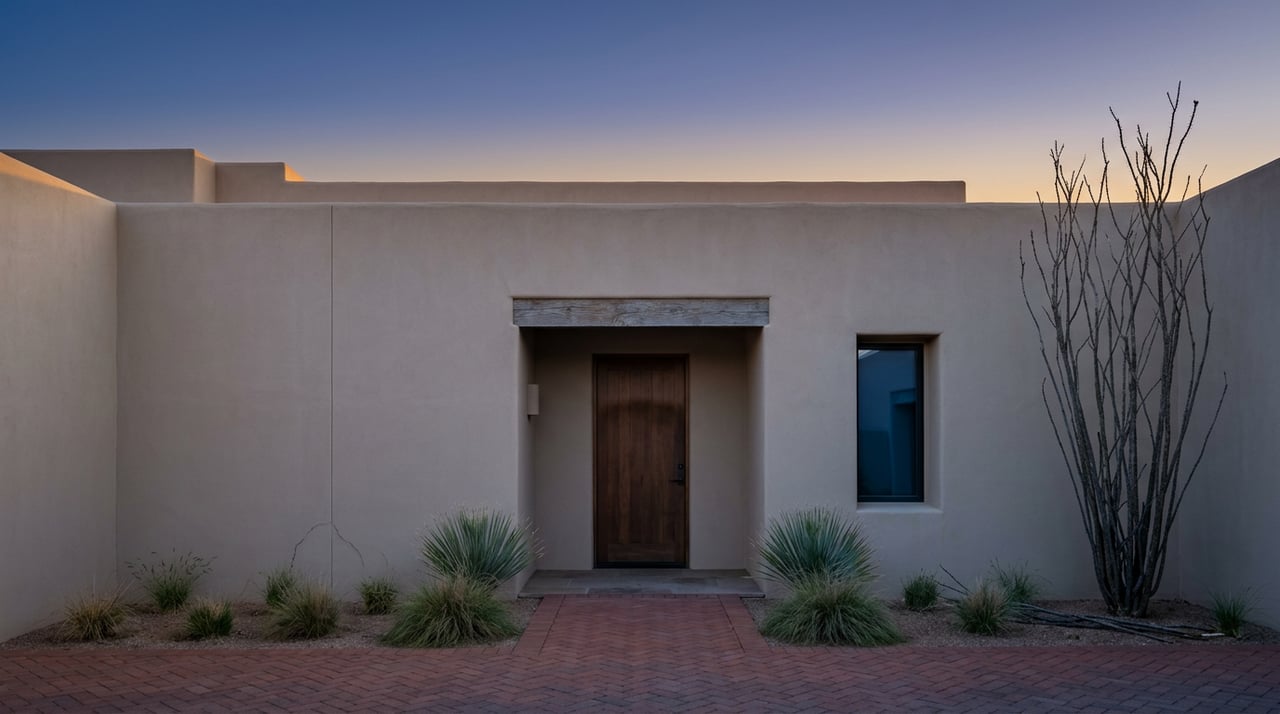
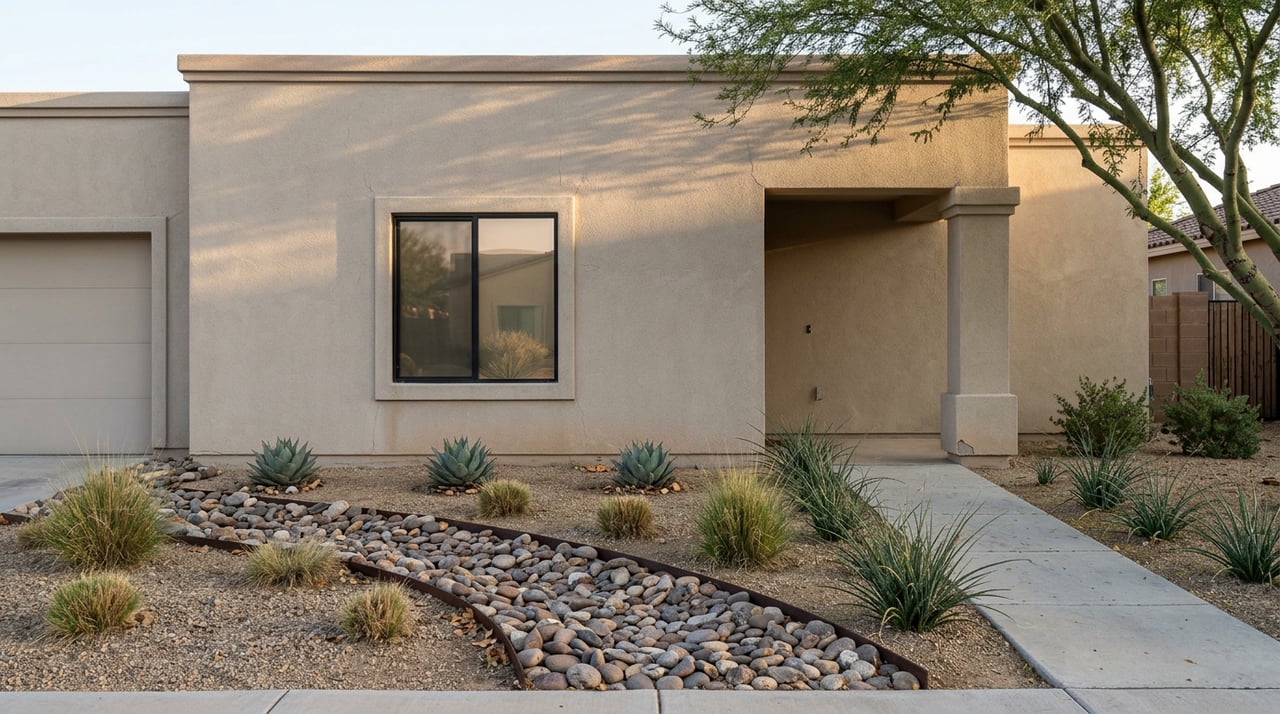
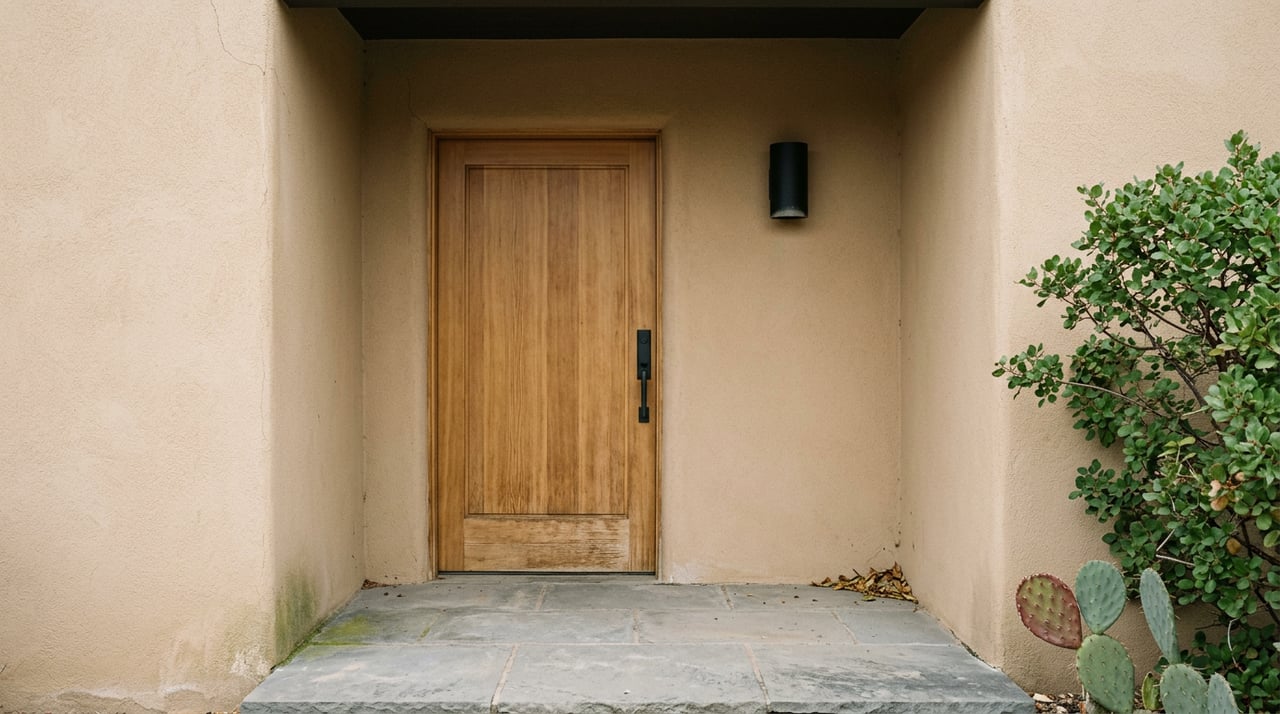
That matters more here than it would somewhere else because these are not gallery storefronts with predictable hours and a single artist behind the counter. They are homes, converted garages, backyard sheds, and studio additions strung along a corridor that runs from Candelaria Road through Los Ranchos and up toward Alameda. Painter Cynthia Wister, whose large scale oil paintings draw on North Valley acequias, the Sandia Mountains, and the Bosque del Apache, shows her work through Romero Street Gallery but opens her own studio for the weekend, one stop among many where the art on the wall and the person who made it are standing in the same room. That kind of access is the whole point of ignoring the sequential map. You are not touring a district. You are visiting people.
A Tour That Started Two Doors Down
The event now called the North Valley Studio Tour is in its fourth year under that name, but its roots go back further and to a smaller footprint. It began in 2011 as the Alameda Studio Tour, founded by Alameda artist Jeff Potter, who opened his own doors alongside twenty five other artists in that first year. Potter died in 2015, and rather than the event fading with him, the artists he had brought together kept it running. Over the years that followed, the tour widened its territory south toward Los Ranchos and eventually Candelaria Road, which is how a corridor that once belonged entirely to Alameda now reaches into the Near North Valley footprint as well.
That expansion is worth sitting with for a second. If you live along Candelaria or in the blocks between there and Fourth Street, your stretch of the tour is the newer chapter, not the original one. The studios closest to you exist on this map because the event outgrew its first boundary, which says something about how much working studio space is tucked into ordinary North Valley houses that most visitors, and honestly most neighbors, never had reason to notice before a weekend like this one gives them an excuse to knock.
Before the Studios Open, There's a Market
Studio doors don't open until 10 a.m. both days, which leaves a gap that longtime locals already know how to fill. The Los Ranchos Growers' Market runs every Saturday from 8 to 11 a.m. at Hartnett Park, 6718 Rio Grande Boulevard NW, through its regular May through November season, and the adjoining Los Ranchos Art Market, marking 35 years of supporting local makers, sets up alongside it. Coffee, breakfast from a vendor table, a walk past the produce stands before the day gets warm. It is not officially part of the studio tour, but it functions as the natural warm up, especially on the Saturday half of the weekend when there's a two hour window built into the schedule by accident of timing.
If you'd rather see a sample of the work before committing a whole day to driving between houses, the preview exhibition at North 4th Arts Center, 4904 Fourth Street NW, has been running since late August and stays up through September 18. The building itself is worth knowing about independent of the tour. It's a city owned arts space that also houses ongoing visual and performing arts programming for adults with developmental disabilities, which means the gallery hosting this preview is doing double work as a community resource the rest of the year too. Walking through before the weekend gives you a shortlist of names and mediums so you're not deciding cold once you're standing in front of twenty possible stops.
The Etiquette That Isn't on Any Flyer
Here is the detail that actually determines whether your day goes smoothly. These studios sit on narrow, largely residential roads that were never built to handle a weekend's worth of tour traffic. The organizers ask hosting artists to warn their own neighbors ahead of time that there will be more cars on the street than usual, and they issue each studio a set of roadside signs specifically so visitors can find a house without guessing. For anyone attending, the practical version of that same courtesy is simple. Follow posted parking directions instead of pulling into whatever looks like an open spot, and leave driveways clear even if a car isn't currently parked there. Nobody is going to stop you from doing otherwise, which is exactly why it's worth doing right. You're a guest in somebody's yard, not a customer in a shop, and the tour works because artists keep opening their homes year after year.
A Weekend Worth Planning Around
If you're mapping out the two days, the shape that tends to work best looks something like this:
- Saturday morning: market and coffee at Hartnett Park before 10 a.m., then start wherever a name from the preview show caught your eye
- Both days, 10 a.m. to 5 p.m.: let one studio's conversation lead you to the next rather than working the map in order
- Sunday, if you missed pieces on Saturday: the same twenty studios reopen, so nothing you skipped is gone for good
None of the twenty studios charge admission, and buying directly from an artist means the story behind a piece comes with it, whether that's how a glaze was mixed or why a particular oxtail of clay ended up on a wheel that morning. The tour has grown from twenty five artists in a single neighborhood to forty six spread across a corridor wide enough that most residents will find a studio inside walking distance of somewhere they already drive past every week. That's the real shift worth noticing this year. The tour isn't visiting the North Valley anymore. At this point, it lives here.
If a weekend like this makes you want to know more about what's happening on your own street, or on the one you're eyeing for a future move, that's the kind of neighborhood-level detail Andrea Romero tracks year round across the North Valley and the Albuquerque metro. Reach out anytime you want a local read on what's changing nearby, this weekend and beyond.