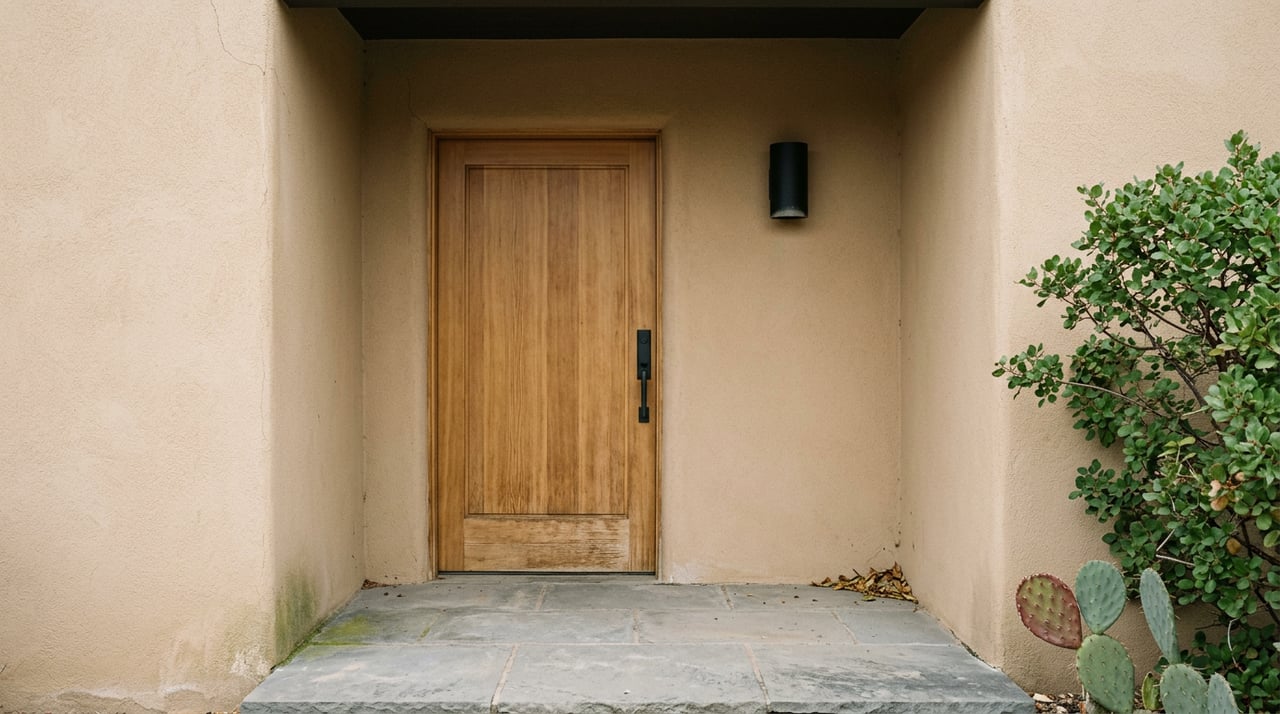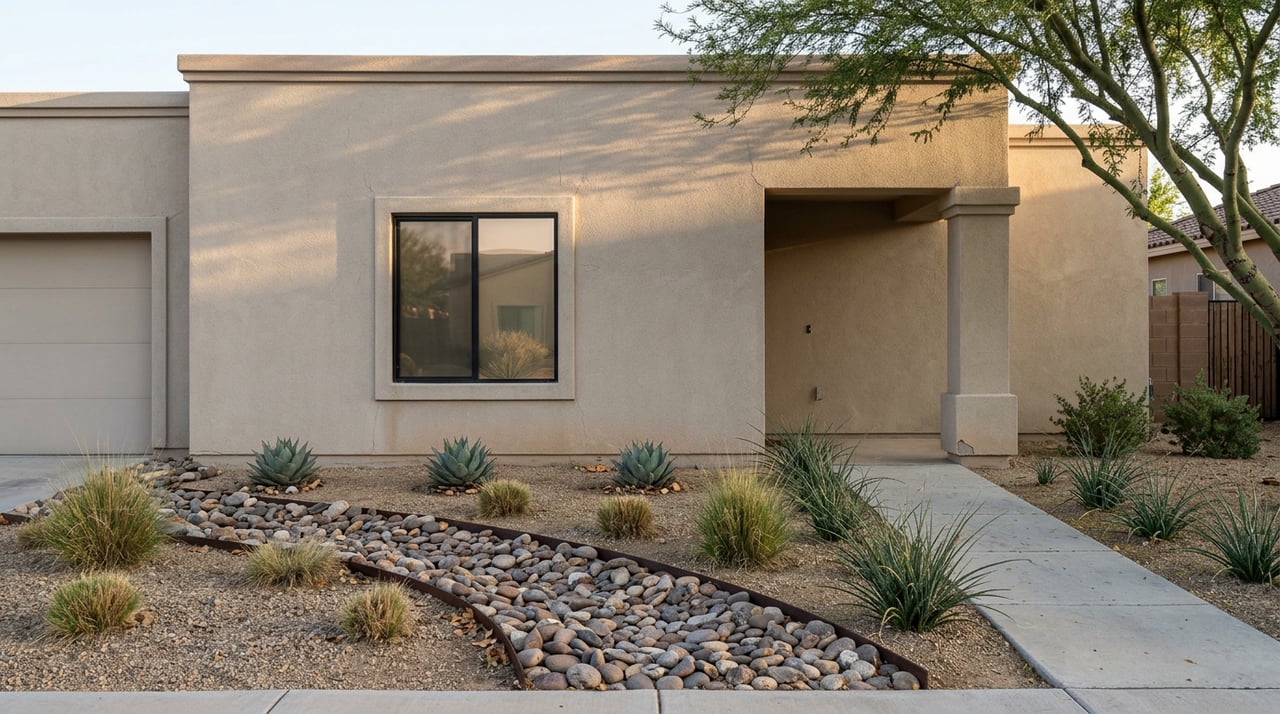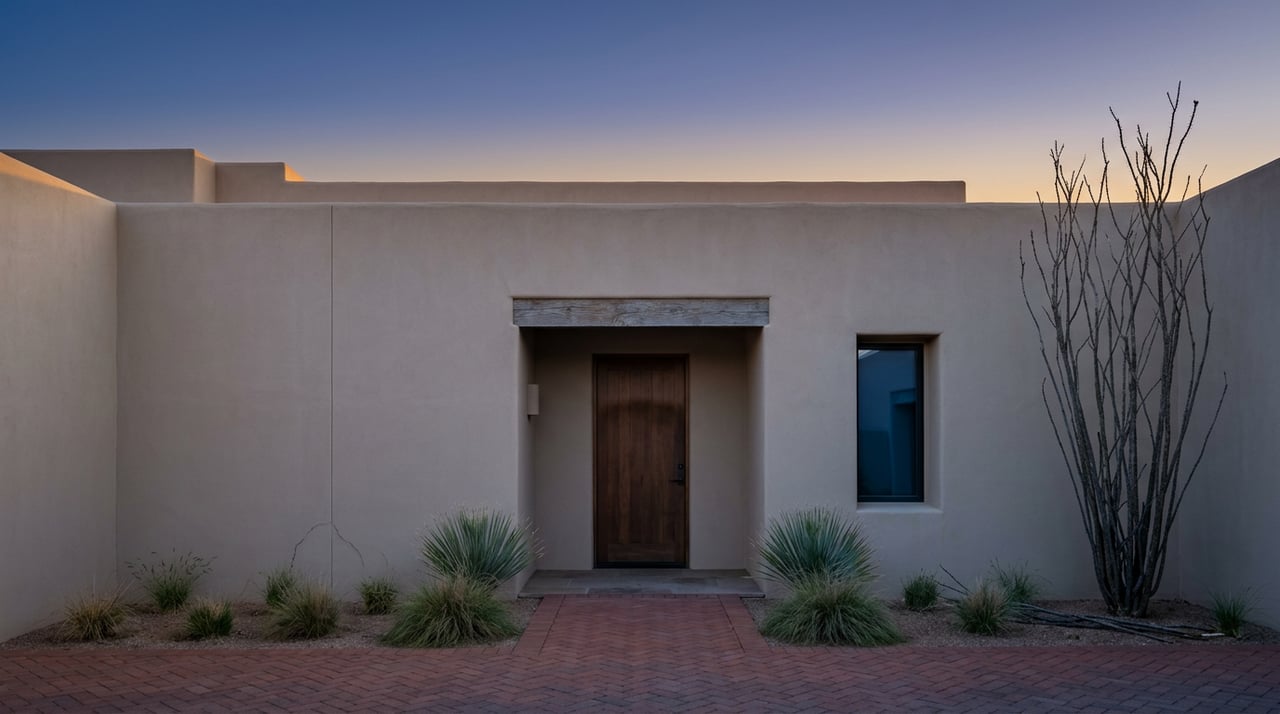
"We cut down on light pollution to see the stars," says David Neale, president of the North Albuquerque Acres Community Association, describing why some neighbors keep small telescopes set up in their backyards.
That single detail tells you something the listing photos never do. North Albuquerque Acres gets filed under "equestrian" in most real estate copy, and it is that. But the neighborhood's actual daily rhythm isn't set by hooves alone. Within about a mile of dirt road, the same patch of high desert hosts a horse park, a hang glider landing field, and a night sky dark enough for amateur astronomy. Nobody planned it that way. It's just what happens when a neighborhood sits at the base of the Sandia Mountains with large lots, few streetlights, and open sky in every direction. The result is a weekend that moves in distinct shifts, driven less by shops or traffic and more by heat, wind, and light.
Morning: Hooves Before the Heat
The day here starts at Vista Sandia Equestrian Park, a free, just-over-30-acre facility at 11809 Pino Ave NE with a dressage ring, day pens, and enough horse-trailer parking that riders come from outside the immediate neighborhood. Early is the operative word. New Mexico's high desert heats up fast once the sun clears the ridgeline, and riders and their horses are out before it does. Dog walkers use the same loop, and the park's open ground puts rabbits, lizards, and the occasional coyote in view without much effort.
The timing isn't a preference so much as a necessity. Cool morning air is when horses work best and when the ground hasn't turned to glare. By midmorning, the equestrian park empties out, and the neighborhood's attention shifts about a mile north.
Midday: When the Thermals Build
That's when the sky starts to matter more than the ground. Harrison H. Schmitt Big Sky Hang Glider Park, an eleven-acre landing field, is the established touchdown point for pilots who launch five miles away at the top of the Sandia Peak Tramway. The tram itself climbs from about 6,559 feet to 10,378 feet, and pilots use that altitude, combined with the dry desert air rising off the mountain's east face, to catch what local flyers call "Big Air." The thermals don't build until the sun has had time to heat the rock, which is exactly why gliders are rarely airborne at the same hour riders are out at Vista Sandia. The two activities share a mile of ground but almost never share an hour.
The park's name isn't decorative. Harrison H. Schmitt was a working geologist before he became a NASA astronaut and a New Mexico U.S. Senator, and he walked on the lunar surface during Apollo 17. A landing zone in northeast Albuquerque carries his name because the same conditions that make this stretch of desert good for gliding, elevation, updrafts, wide open sky, are the reasons pilots have used it for decades. On a good day, that lift can carry a glider far past the Sandia Peak Tramway. The longest flight ever recorded off the Sandias covers 242 miles, reaching into Texas or Colorado. Most days are more modest: a pilot launches, circles the mountain's face, and glides the five miles down to the park where a dog walker might catch the moment a colorful wing drops out of the thermals and touches down in the grass.
Two parks, one mile:
- Vista Sandia Equestrian Park — 11809 Pino Ave NE, free admission, dressage ring, day pens, horse-trailer parking, open trail loop
- Harrison H. Schmitt Big Sky Hang Glider Park — roughly a mile north, established landing zone for pilots launching at the Sandia Peak Tramway five miles away
Evening: Bocce Instead of Rush Hour
By early evening the action moves again, this time to Ben Greiner Park, where the neighborhood's bocce courts and soccer field see the most regular use. Ben Greiner is also where the Community Association runs its spring cleanup, collecting trash along neighborhood streets and hauling it to county dumpsters on site, along with a tire amnesty program that gathers used tires for proper disposal. Neale has talked about wanting to add ice-cream socials and pet parades to that calendar, the kind of low-stakes gathering that fills a park without needing a festival budget.
The same volunteer association handling tire amnesty days is also the one that spent much of early 2026 in front of Bernalillo County over a proposed electrical substation, pushing PNM to route transmission lines along Paseo del Norte and Tramway rather than through streets closer to churches and preschools. It's a reminder that North Albuquerque Acres runs on the same handful of neighbors whether the issue is a dumped tire or a utility easement. The association holds its annual community meeting on October 20 this year, and it's the same room where both kinds of business get done.
After bocce, the closest thing to a nightcap is a stop at O'Bean's Coffee house, the neighborhood's go-to for something warm before heading home while there's still light in the sky.
Night: Dark Enough to Keep a Telescope
Once the sun is down, the neighborhood's last shift begins, and it's the quietest one. Large lots and limited street lighting mean North Albuquerque Acres holds onto a genuinely dark sky, dark enough that a handful of residents run small backyard observatories rather than just glancing up on their way inside. It's not a formal amenity. No park district built it. It's simply what's left over when a neighborhood doesn't light itself up the way denser parts of Albuquerque do.
Put the day together and a pattern shows up that no single listing photo can capture. Morning belongs to horses because the ground is cool. Midday belongs to pilots because the thermals have finally built. Evening belongs to bocce and coffee because the heat has broken. Night belongs to whoever wants to look up. The neighborhood doesn't run on a retail clock or a commute schedule. It runs on wind, light, and elevation, and that's a harder thing to fake than a walkability score.
If you already live here, none of this is new information exactly, but it's rarely put together in one place. If you're a friend or family member of someone weighing whether North Albuquerque Acres fits their own routine, or you're thinking about your own next move in the area, Andrea Romero has spent years learning which parts of this neighborhood's daily rhythm actually matter once the moving trucks are gone. Reach out when you're ready to talk it through.