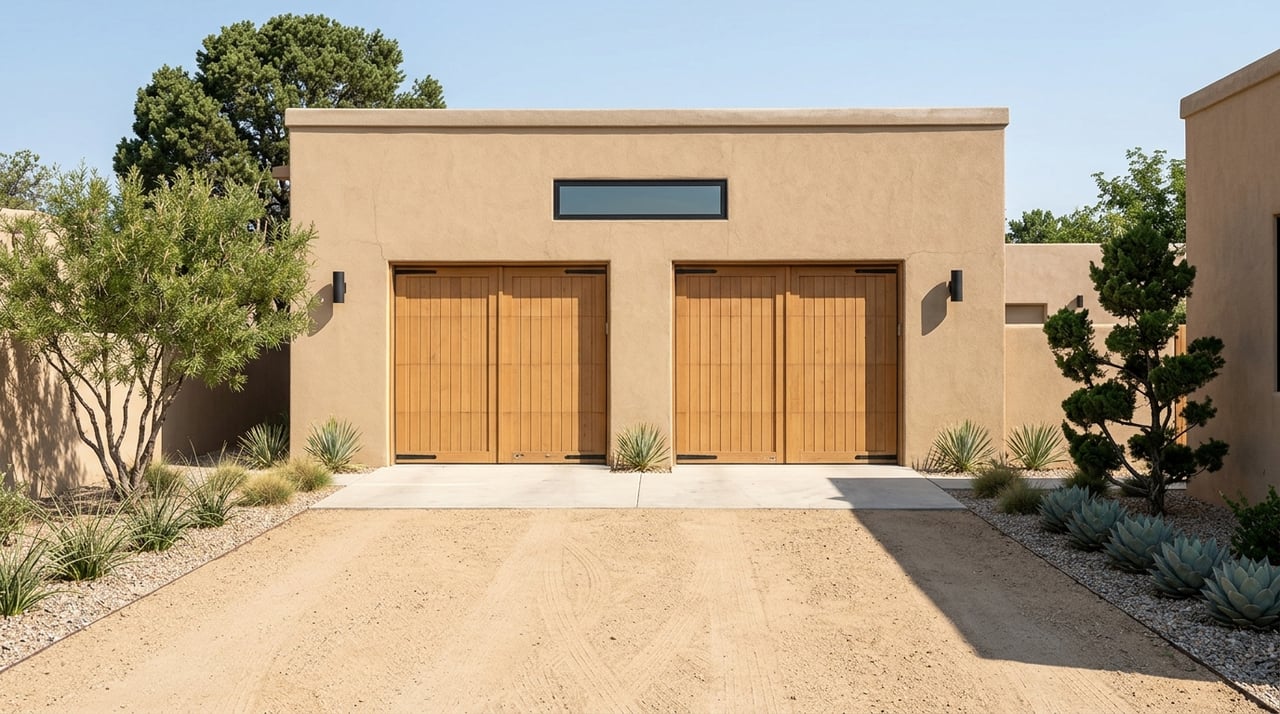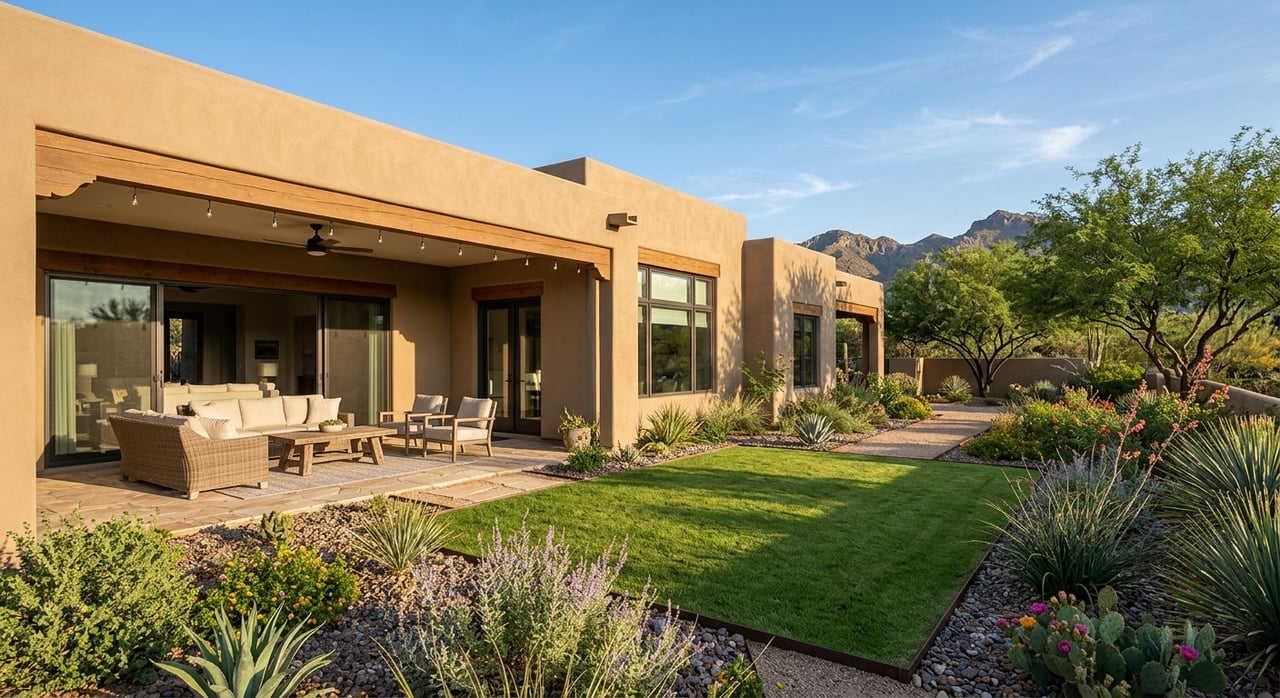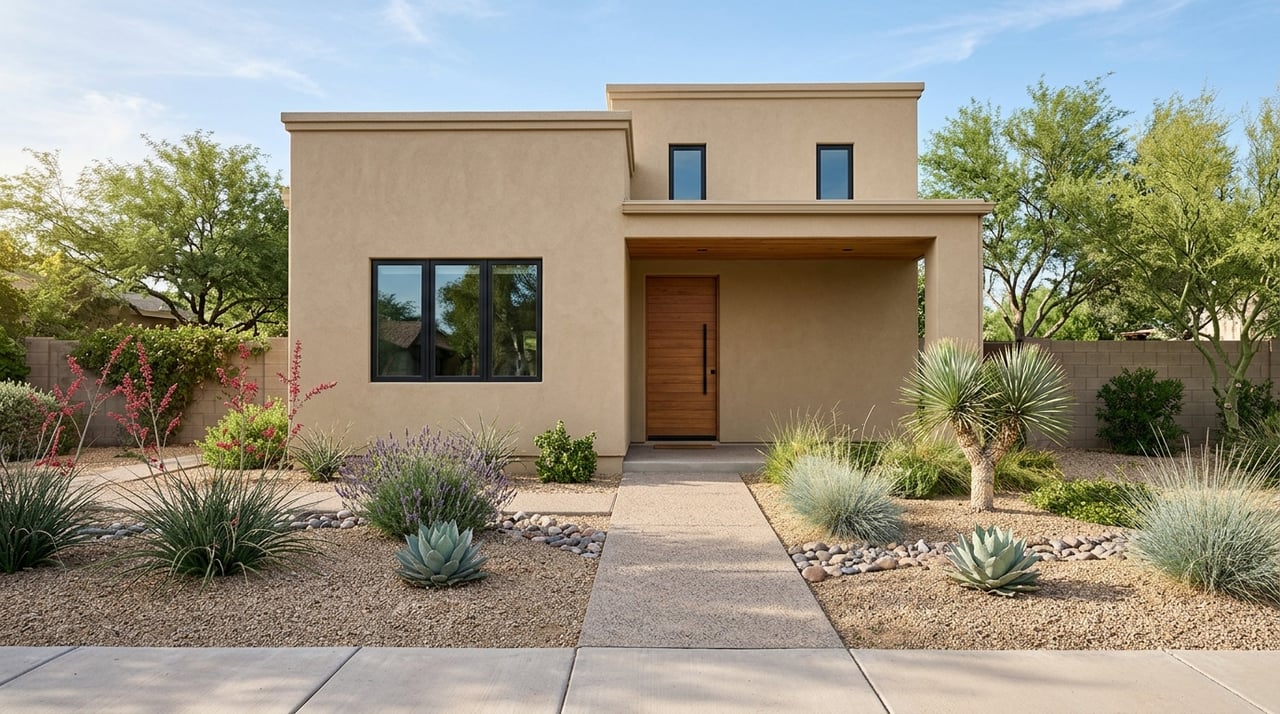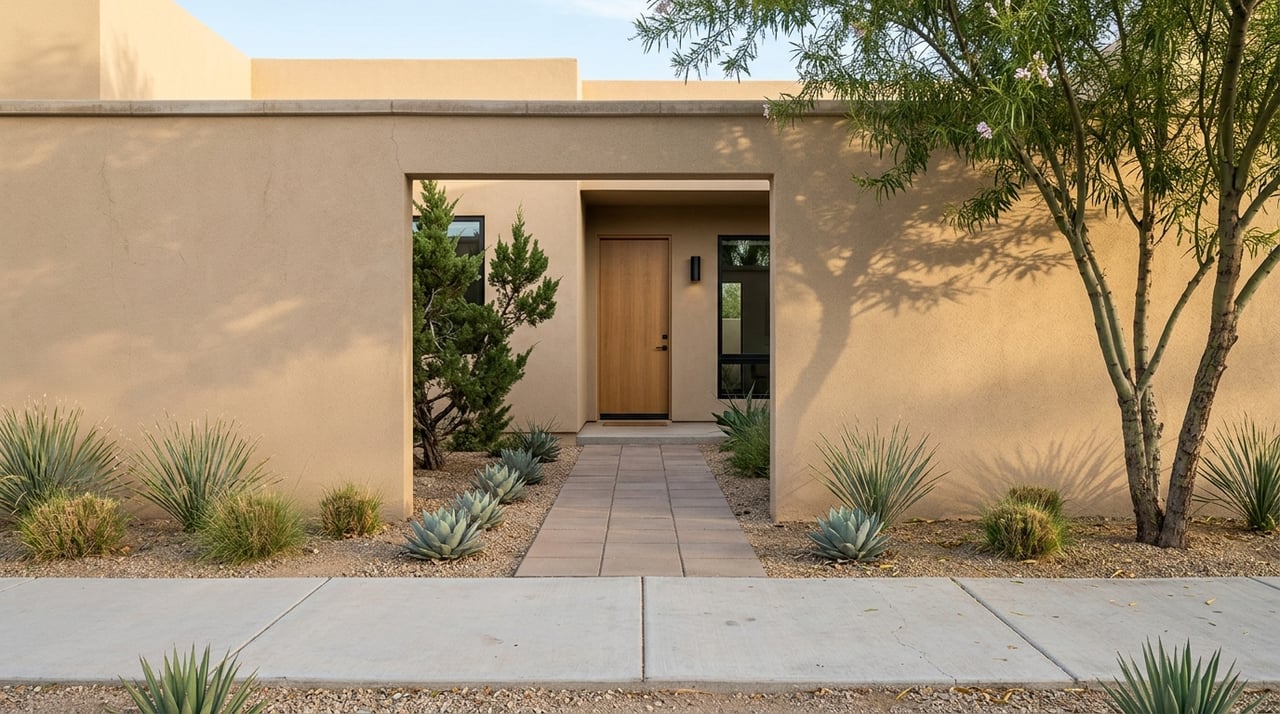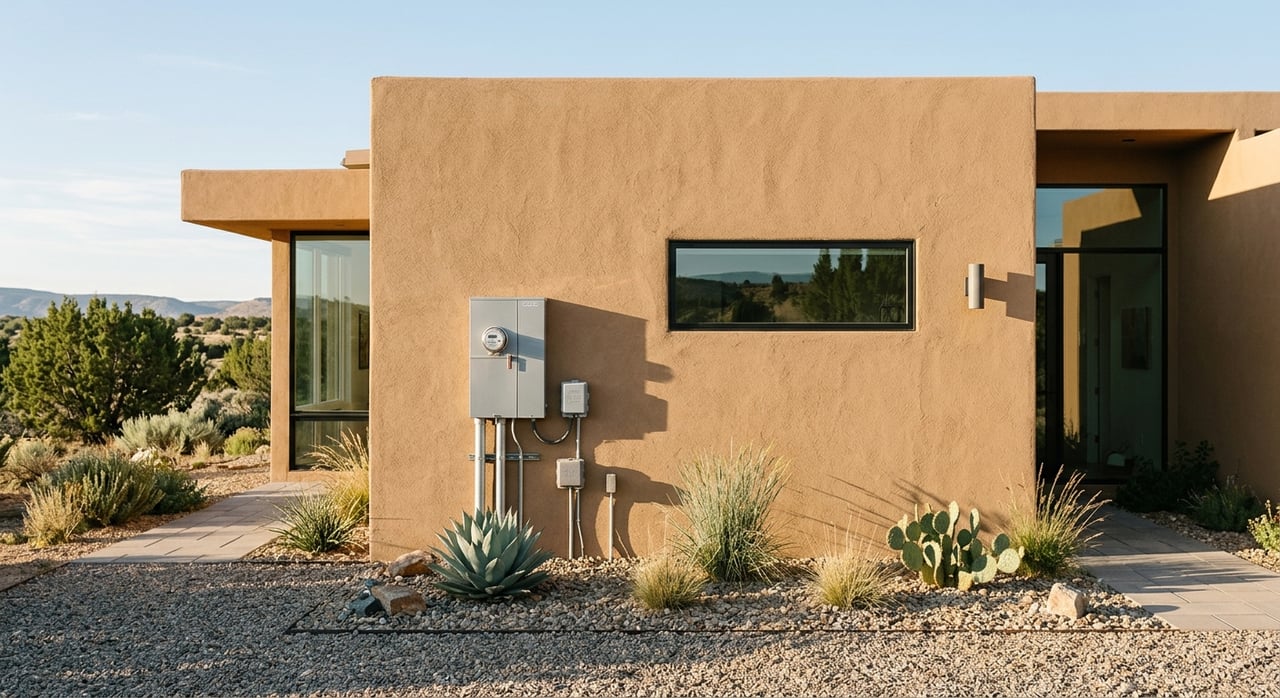
Wondering if North Albuquerque Acres is the right place to buy when you want more space, better views, and a little breathing room? You are not alone. This part of Albuquerque can be incredibly appealing, but it also asks buyers to look more closely at lot details, utilities, and access than they might in a more typical subdivision. This guide will help you understand what makes North Albuquerque Acres different and what to verify before you buy. Let’s dive in.
Why North Albuquerque Acres Feels Different
North Albuquerque Acres is not a standard tract neighborhood with the same lot pattern, road setup, and utility service on every street. City planning documents describe part of the area as Rural, with an average density target of one dwelling per acre, and long-range planning notes that the area was originally platted as one-acre lots on a rectangular grid.
That history still shapes the buying experience today. AMAFCA notes that the subdivision was platted in the 1920s and 1930s as individual lots, with natural arroyos largely left in place. As a result, lot size, shape, access, and infrastructure can vary from one block to the next.
Planning documents also show that land uses are mixed across the area. Some sections are closer to industrial uses near I-25, some are more suburban near La Cueva High School, and some are more rural residential east of Ventura. If you are shopping here, it helps to treat each property as its own case rather than assuming the entire neighborhood works the same way.
What Buyers Often Come Here For
The big draw is simple: space. Compared with many Albuquerque neighborhoods, North Albuquerque Acres is more likely to offer larger lots and larger homes, with more room between properties and more flexibility in how a home sits on the site.
Current market snapshots support that picture. Homes.com reports a median lot size of 36,808 square feet, an average single-family home size of 3,720 square feet, and a median year built of 2016. A New Mexico Water Data study also found 26 parcels in North Albuquerque Acres averaging 0.86 acres with Water Authority service connections, with five of those parcels also having an auxiliary well.
Those figures line up with the original one-acre platting, while also showing that not every lot is exactly one acre. If you are buying here for elbow room, it is smart to confirm the exact plat and lot dimensions instead of relying on neighborhood averages.
North Albuquerque Acres Market Snapshot
If you are trying to gauge pricing, inventory, and pace, recent snapshots show a market that leans premium and relatively specialized. Realtor.com’s March 2026 neighborhood snapshot shows 48 homes for sale, a median listing price of $1.13 million, median days on market of 69, and a sales-to-list-price ratio of 91%.
Homes.com reports a median sale price of $825,000 over the last 12 months. These are not direct apples-to-apples figures because they measure different things, but together they show a neighborhood where buyers are often evaluating larger, higher-priced homes rather than a uniform entry-level product.
In practical terms, that means your search may involve more variation in home age, design, lot layout, and utility setup than you would expect in a newer master-planned area. It also means due diligence matters more, because two homes at similar price points may have very different site conditions.
Space Comes With More Variables
Larger lots can sound straightforward, but in North Albuquerque Acres, more land does not always mean more usable land. The area sits at the base of the Sandia Mountains, where terrain, drainage, and topography play a big role in how a parcel functions.
The City’s Sandia Foothills Open Space materials describe steep sloped hills and gravelly drainages at the mountain base. AMAFCA says the area’s arroyos were left largely natural, and since the 1990s, AMAFCA and Bernalillo County have required individual grading-and-drainage plans and, in some cases, drainage easements where arroyos or flow paths exist.
That matters because a property can have excellent views and privacy while also having limits on where you can build, landscape, or expand. Retaining walls, culverts, flow paths, and recorded easements can all affect how much of the yard is truly usable.
Views Are a Major Selling Point
For many buyers, the mountain setting is one of the strongest reasons to consider North Albuquerque Acres. The neighborhood’s foothill location can create strong view potential, with a sense of openness that is harder to find in more compact parts of the metro.
Still, views are not just about elevation or recorded acreage. PNM’s North Albuquerque Acres substation siting materials note that topography, drainage, soil type, land-use compatibility, and visual impacts all matter in this corridor. In other words, the best way to judge a lot is to look beyond the listing photos and understand how the parcel actually sits on the land.
If views are high on your list, it helps to ask how the building envelope, easements, and grade affect future outdoor living areas. A beautiful setting can be a real asset, but the layout of the lot determines how much of that setting you can actively enjoy.
Utilities Need Lot-by-Lot Verification
One of the most important things to understand before buying in North Albuquerque Acres is that utility service is not always uniform. You should not assume every parcel has the same water, wastewater, or power setup.
ABCWUA provides water and wastewater service to the greater Albuquerque metro area, but Bernalillo County’s groundwater dataset says the East Mountains and North Albuquerque Acres are heavily dependent on domestic wells or water supply. The New Mexico Water Data study also found that the subdivision does not receive surface-water diversions.
That means water service can be public, private, or mixed depending on the parcel. A property may have Water Authority service, a private well, or a combination that includes an auxiliary well. Before you move forward, verify the exact setup for the specific property you are considering.
What to Know About Wells and Septic
If a property has a private well, water quality and system documentation deserve close attention. Bernalillo County’s Well Owner’s Guide says many county residents rely on private wells and recommends annual testing for nitrates and coliform bacteria.
The guide also lists septic system disposal fields, stormwater runoff, and improperly constructed wells among potential contamination sources. For buyers, that makes well records, recent testing, and system condition more than just extra paperwork. They are central parts of understanding the property.
Wastewater setup also matters. Some properties may be on sewer, while others may rely on septic. If septic is involved, ask for inspection history, repair history, and any available records so you can understand the condition and maintenance of the system.
Roads and Access Can Vary
In many neighborhoods, road maintenance is easy to assume. In North Albuquerque Acres, it is something to confirm.
Bernalillo County’s road inventory includes roads maintained by the county, plus private roads and roads maintained by other entities for reference. A North Albuquerque Acres subdivision sketch plat also shows a 32-foot private road with public water and sewer easements, which is a good reminder that access and infrastructure rights do not always line up in a simple way.
Before you buy, ask who maintains the road, driveway, and any culvert serving the property. It is also worth confirming whether snow removal is public or private and whether title shows any access, drainage, or utility easements that affect use or upkeep.
City and County Rules May Both Matter
Another layer that can surprise buyers is jurisdiction. Because North Albuquerque Acres spans city and county areas, the agency handling review, maintenance, or infrastructure questions may depend on the exact parcel.
The City’s Design Review and Construction section says approved plans, agreements, easements, and permits must be in place before public water, sewer, road, drainage, or park infrastructure is built. Historical planning material also notes that off-site infrastructure such as collector and arterial streets may involve private payment or assessment responsibilities.
This is especially important if you are looking at vacant land, a teardown, or a major remodel. In those cases, off-site utility or street improvements may become part of the project, so it is wise to confirm requirements early.
A Smart Buyer Checklist
When you buy in North Albuquerque Acres, a methodical approach can save you time, money, and surprises. Here are some of the most important items to verify:
- Confirm the exact plat, lot size, and any replat history.
- Verify whether water service is public, private, or mixed.
- If there is a well, ask for recent water-quality testing and any available permits.
- Confirm whether wastewater service is sewer or septic.
- Review septic inspection, maintenance, or replacement history if applicable.
- Check for recorded drainage easements, flow paths, and grading-and-drainage approvals.
- Ask who maintains the road, driveway, and culvert.
- Confirm whether there are subdivision-improvement agreements or future infrastructure obligations.
- If the property is vacant land or a redevelopment site, verify whether off-site street or utility improvements will be required and who would pay for them.
Why Local Guidance Matters Here
North Albuquerque Acres can be a great fit if you want larger lots, foothill views, and a less uniform housing pattern than you find in a conventional subdivision. But that same appeal is exactly why careful review matters. The details that shape value here are often below the surface, from drainage and access to utility setup and maintenance responsibility.
When you have a clear process, you can evaluate these properties with more confidence and fewer surprises. That is especially helpful in a neighborhood where no two lots feel exactly the same.
If you are thinking about buying in North Albuquerque Acres and want organized, local guidance through the details, reach out to Andrea A Romero for a thoughtful, data-informed approach to your search.
FAQs
What makes buying in North Albuquerque Acres different from buying in a typical Albuquerque subdivision?
- North Albuquerque Acres was originally platted as one-acre lots, includes natural arroyos, and has more variation in lot shape, access, infrastructure, and utility service than a more uniform subdivision.
What should buyers verify about utilities in North Albuquerque Acres?
- Buyers should confirm whether the specific property has public water, a private well, or a mixed setup, and whether wastewater service is sewer or septic.
Why do drainage easements matter for North Albuquerque Acres properties?
- Drainage easements, flow paths, culverts, and grading requirements can affect where you can build, landscape, or use outdoor space, even on a large lot.
Are all roads in North Albuquerque Acres publicly maintained?
- No. Road responsibility can vary by property, so you should verify whether the road is county-maintained, private, or maintained by another entity.
What should buyers ask about a well in North Albuquerque Acres?
- Ask for recent water-quality testing, available well permits, and any records that help confirm the well’s condition and service setup.
Is every lot in North Albuquerque Acres about one acre?
- Not necessarily. The area was originally platted with one-acre lots, but actual parcel sizes can vary, so buyers should confirm the exact plat and lot dimensions for the property they want to purchase.