Thinking about buying your first home in Rio Rancho? You want space, value, and an easy commute to Albuquerque without stretching your budget. As a first-time buyer, it helps to see clear facts about prices, neighborhoods, and programs that can lower your upfront costs. This guide breaks down what you can expect in Rio Rancho so you can decide with confidence. Let’s dive in.
What first-time buyers can expect
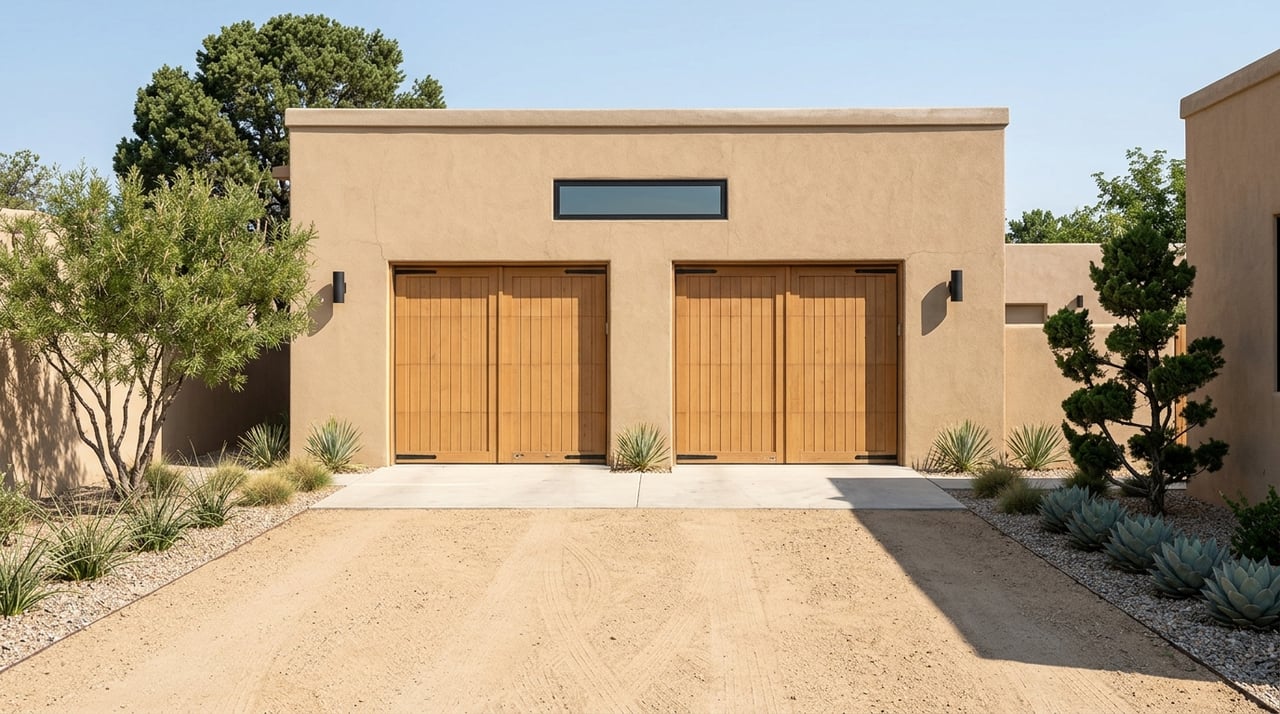
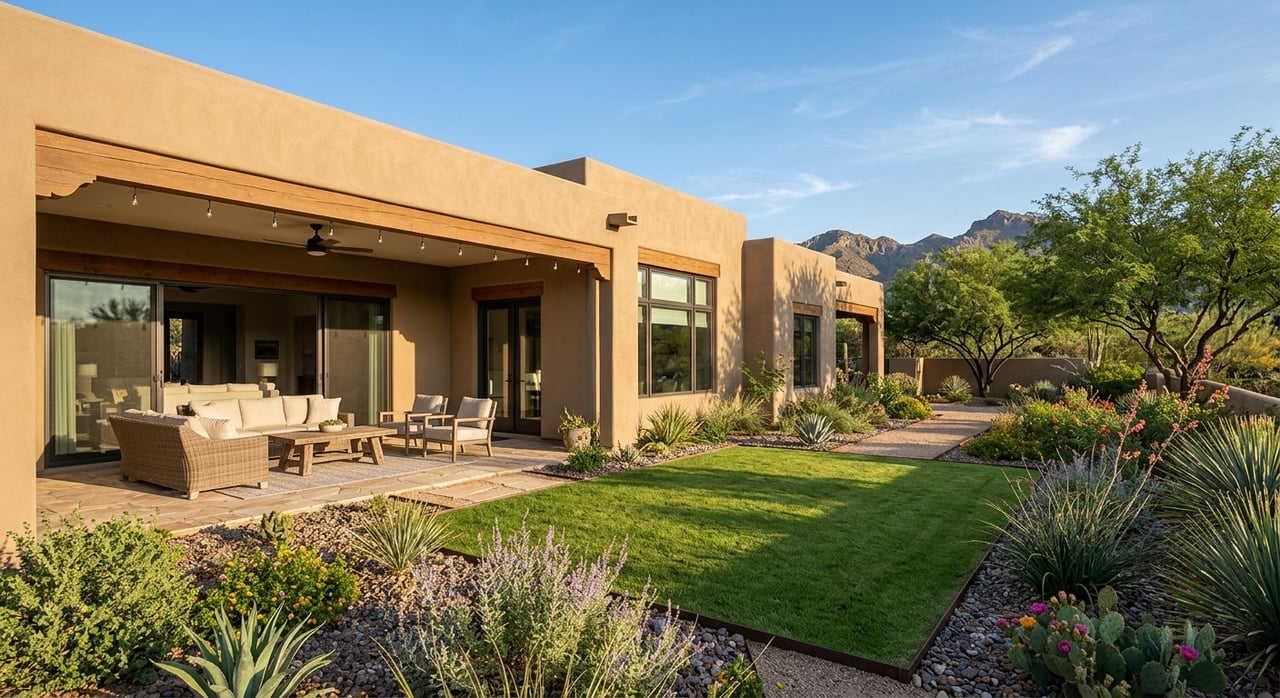
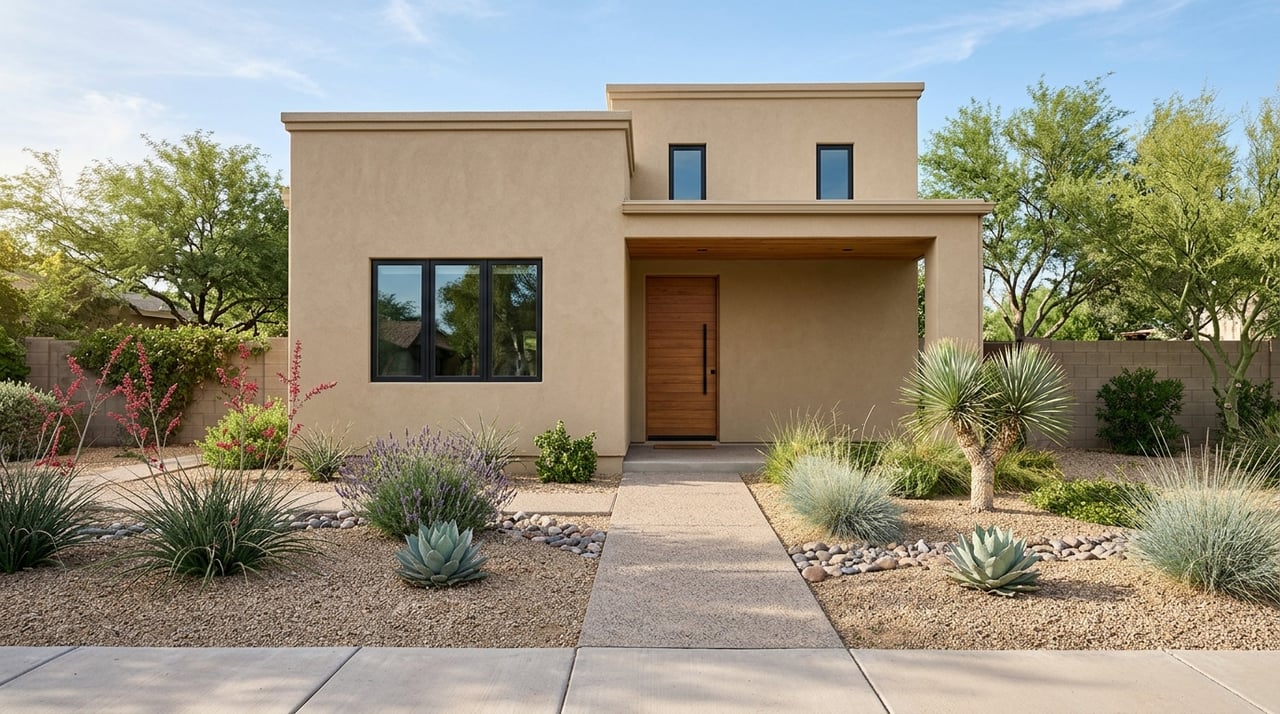
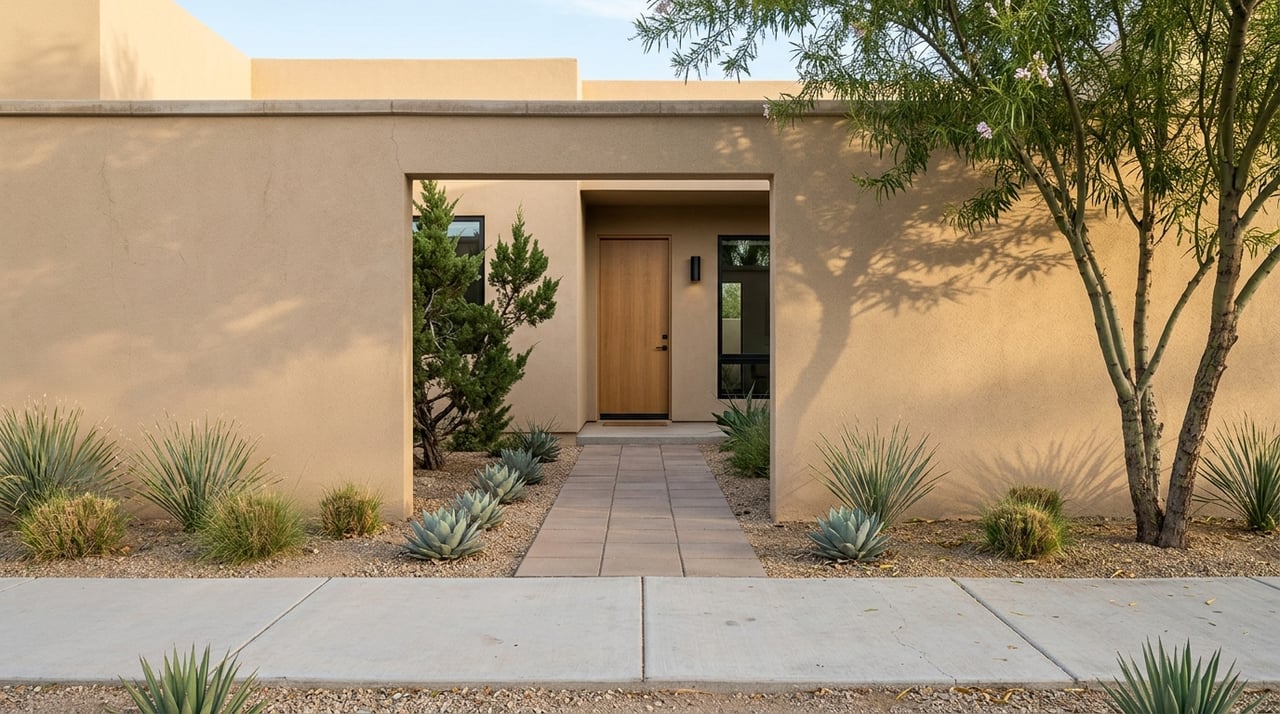
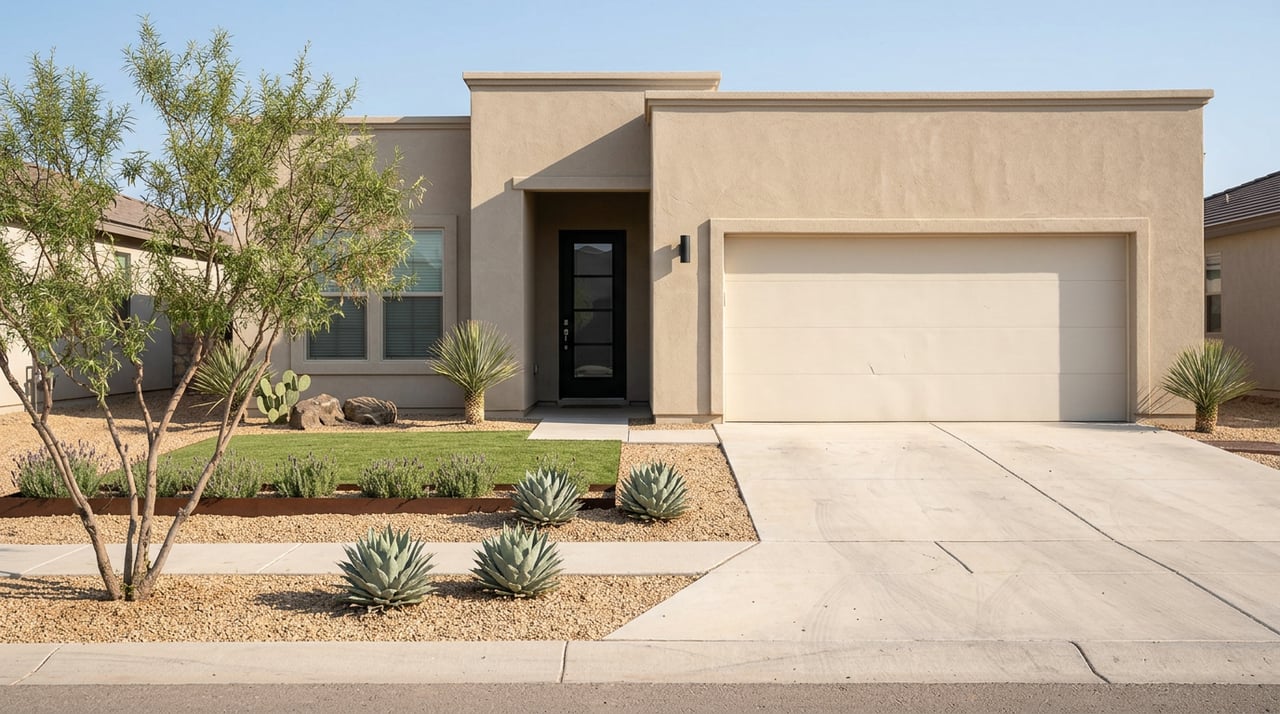
Rio Rancho is largely a suburban market with many single-family homes. About 85% of homes are detached houses, and a big share were built in the 1990s and 2000s, so you will often find relatively modern floor plans and systems compared with older city neighborhoods. Expect many properties from 1990 to 2010 that may need light cosmetic updates rather than full overhauls, which can be attractive if you prefer near turn-key living. These patterns show up in regional housing stock analyses for the metro area.
- Housing mix: Predominantly single-family detached homes.
- Age of homes: The 2000s are the single largest build decade in the area, which often means newer roofs, mechanicals, and layouts compared with older cores. Regional housing stock data supports this trend.
How far your budget goes
Most market trackers place Rio Rancho’s home values in the low to mid $300,000s. Actual prices vary by neighborhood and property condition, with some established areas offering lower price points and newer master-planned communities trending higher. Rather than fixating on one number, give yourself a price band and compare options across several neighborhoods.
- Entry level: Sub $300,000 options exist, but inventory is limited. These are often smaller single-family homes, manufactured homes, or the occasional attached home. Expect tradeoffs in size, finishes, or location when staying strictly in the $200,000 to $300,000 range.
- Mid market: Roughly $350,000 to $550,000 opens up more choices, including newer subdivisions and larger lots in planned communities.
- Market tempo: Typical days on market are no longer at peak-pandemic lows. Many neighborhoods see sale-to-list ratios near 98 to 100 percent. Use current MLS data when you are ready to shop.
Commute and transportation
Rio Rancho follows a suburban commuting pattern. Most residents drive, and the average one-way commute is about 29 to 30 minutes. That lines up with a car-centric lifestyle where many people travel to Albuquerque employment centers or work at nearby regional employers. These figures are consistent with regional commute surveys and Census estimates.
- Commute profile: About 80% of workers drive alone and the mean travel time is around 29 minutes, according to regional commute data.
- Transit: Rio Metro operates commuter routes and Dial-a-Ride in Sandoval County. Connections to ABQ RIDE and the Rail Runner exist, but public transit is limited compared to central Albuquerque. If you rely solely on transit, living in central Albuquerque may be more convenient. Learn more about routes and services from Rio Metro.
Jobs and local growth
Intel is a major local employer, and recent expansions at its Rio Rancho facilities have supported technology and construction jobs. Continued investment can bolster housing demand, which may influence prices in nearby neighborhoods over time. For context on recent developments, review Intel’s update on its Fab 9 operations in New Mexico. You can read more in Intel’s Fab 9 announcement.
Beyond Intel, the local job base includes education, healthcare, retail, and municipal services. Many residents also commute to employers across the Albuquerque metro, such as Sandia-area facilities and downtown offices.
Schools and everyday conveniences
- Schools: Most of the city is served by Rio Rancho Public Schools and local charter options. The district includes two large public high schools and multiple elementary and middle campuses. School performance varies by campus, so review official resources and visit schools directly. Explore district information at Rio Rancho Public Schools.
- Healthcare: Rio Rancho has in-city hospital campuses and emergency care, including UNM Sandoval Regional Medical Center and Presbyterian Rust Medical Center. Proximity to healthcare is a key advantage for many buyers. See the county’s hospital list and contacts on Sandoval County’s site.
- Recreation and events: The Rio Rancho Events Center hosts concerts, sports, and community gatherings, and City Centre continues to add services over time. Learn about the facility’s role in local life at the Rio Rancho Events Center page.
Neighborhood snapshots
- South and central Rio Rancho: More established neighborhoods with smaller and older homes that can offer an approachable entry point. You will find active retail corridors and convenient access to major roads like Southern and Unser.
- Newer planned communities: Areas such as Loma Colorado, Mariposa, and Enchanted Hills often feature newer construction and community amenities. Expect higher price bands and HOA-managed common areas.
When you tour, compare not just list prices but also lot sizes, HOA dues, age of systems, and realistic commute times to your daily destinations.
Financing and buyer assistance
New Mexico’s state housing agency offers programs that can make your first purchase more affordable. The Mortgage Finance Authority (MFA), also known as HousingNM, administers first-mortgage and down payment assistance products used widely across the metro. Programs include FIRSThome, FIRSTDown, HomeNow, NextHome, and targeted-area incentives that can expand limits in certain census tracts. Assistance amounts, income caps, and purchase-price limits change, so verify current rules before you apply. For background on the agency and its recognition within the industry, see this NCSHA feature on the New Mexico MFA.
Typical first-time buyer loan paths include FHA, conventional conforming loans, VA for eligible service members and veterans, and USDA in qualifying rural areas. MFA programs can sometimes be layered with certain loan products, subject to lender and program rules. For a plain-language overview of common first-time buyer loan types in New Mexico, review this guide to loan options.
What to budget beyond your mortgage
- Property taxes: New Mexico’s median effective property tax rate is commonly reported near 0.5 to 0.6 percent of home value, though local levies vary. Rio Rancho sits in Sandoval County, so check the assessor’s statements for a specific property. See statewide context at PropertyTax101.
- Insurance and hazards: Premiums vary by property location, age, and features. Get quotes early and confirm flood status with FEMA maps for the specific lot.
- HOA dues: Many newer subdivisions have HOAs with monthly or quarterly dues. Include HOA fees, transfer costs, and CC&R requirements in your affordability plan.
Is Rio Rancho a fit for you?
Rio Rancho is a strong fit if you want more space for the price, plan to drive to work, and like the idea of newer housing stock in a quieter suburban setting. You will find three-bedroom homes with yards at price points that can be more attainable than central Albuquerque options. If you need daily walkability to a dense, urban core or rely entirely on public transit, you may prefer a more central neighborhood.
How to shop smart in Rio Rancho
- Define your non-negotiables: Bedrooms, commute time, HOA tolerance, and budget range.
- Get pre-approved: Ask your lender to review MFA eligibility early if you think assistance could help.
- Compare neighborhoods: Tour both established areas and newer planned communities to see what fits your lifestyle.
- Inspect the age of systems: Many homes are 1990s to 2000s builds. Ask about roof age, HVAC, water heaters, and any builder-specific notes.
- Plan for timing: Market speed varies by price band and season. Build flexibility into your timeline where possible.
Ready to explore whether Rio Rancho is your first home match? Connect with a local, process-driven advisor who knows the micro-markets and will guide you step by step. Reach out to Andrea A Romero to start your plan.
FAQs
What are typical home prices for first-time buyers in Rio Rancho?
- Most sources place values in the low to mid $300,000s, with some sub $300,000 options in older or smaller homes and higher prices in newer planned communities.
How long is the average commute from Rio Rancho to Albuquerque jobs?
- The mean one-way commute is about 29 minutes, and roughly 80% of residents drive, according to regional commute data.
Are there down payment assistance programs in New Mexico?
- Yes, the state’s MFA offers first-mortgage and down payment assistance programs such as FIRSThome, FIRSTDown, HomeNow, and NextHome; see the NCSHA overview of MFA and confirm current rules with an approved lender.
What should I know about property taxes in Rio Rancho?
- New Mexico’s median effective rates are often around 0.5 to 0.6 percent of home value, but amounts vary by property and local levies; review county assessor data and see PropertyTax101’s New Mexico page.
What healthcare and amenities are nearby in Rio Rancho?
- You have access to UNM Sandoval Regional Medical Center and Presbyterian Rust Medical Center, plus events and recreation at the Rio Rancho Events Center; see the county’s hospital list for details.