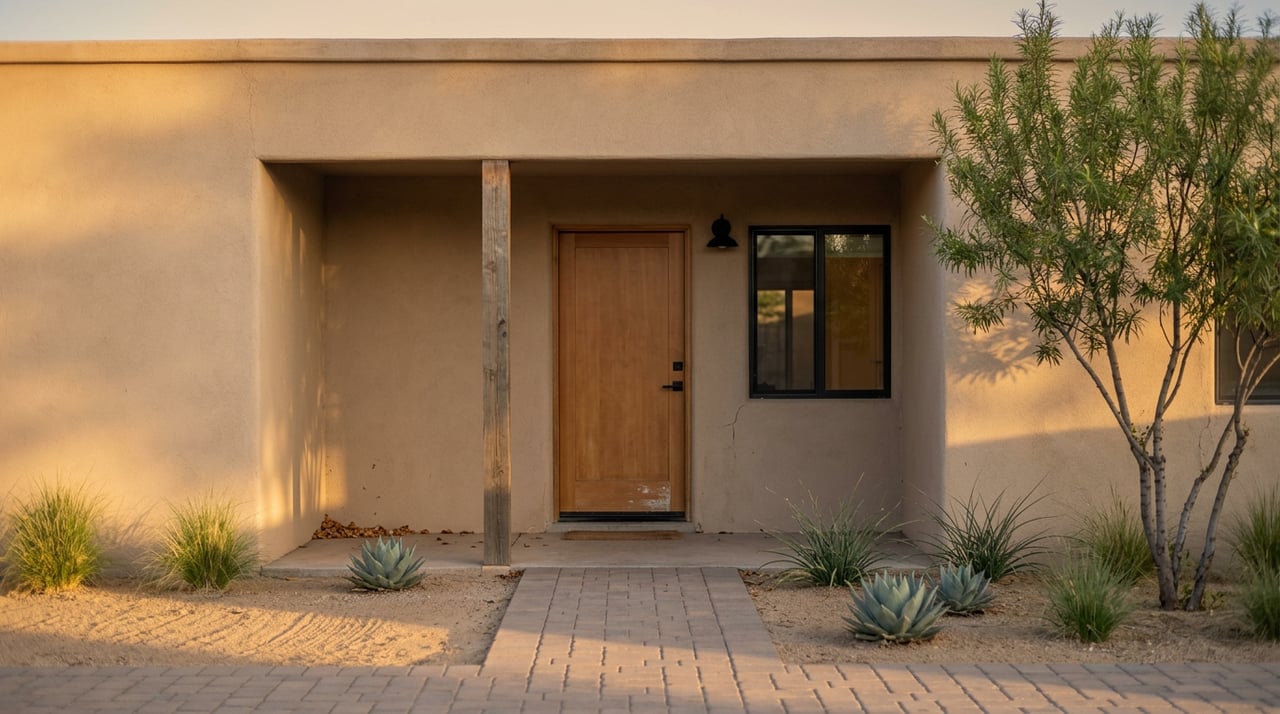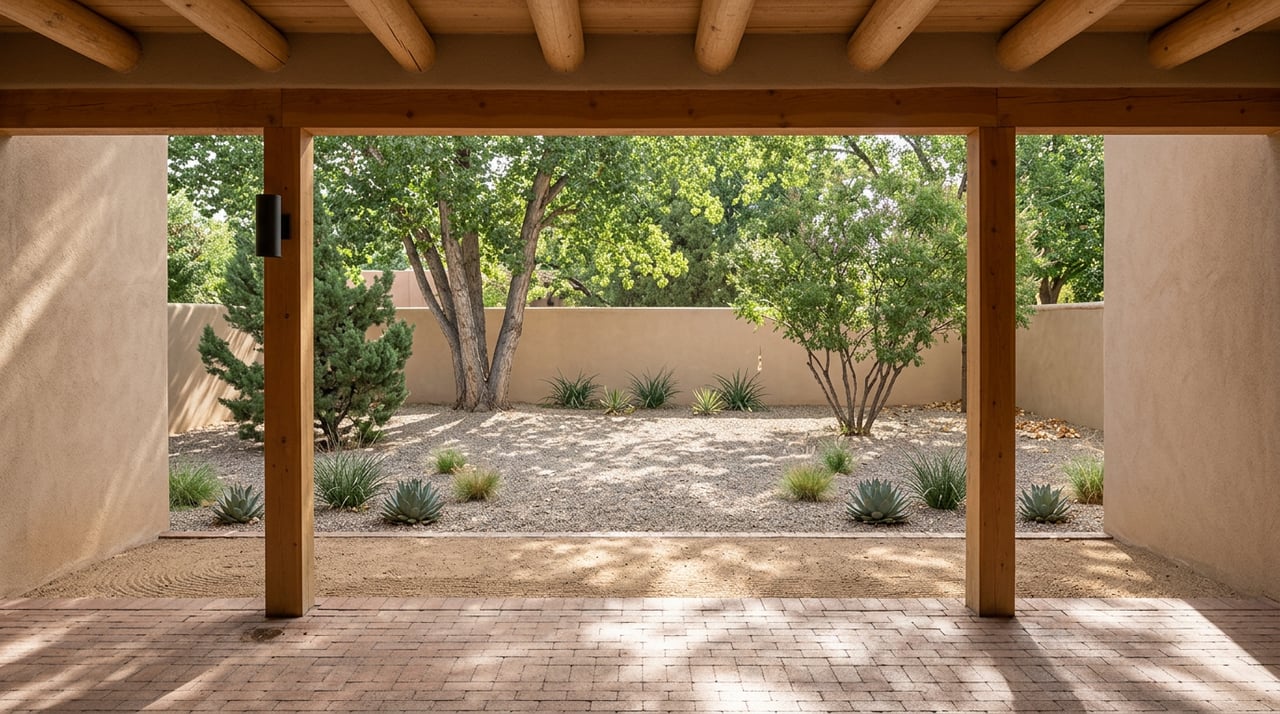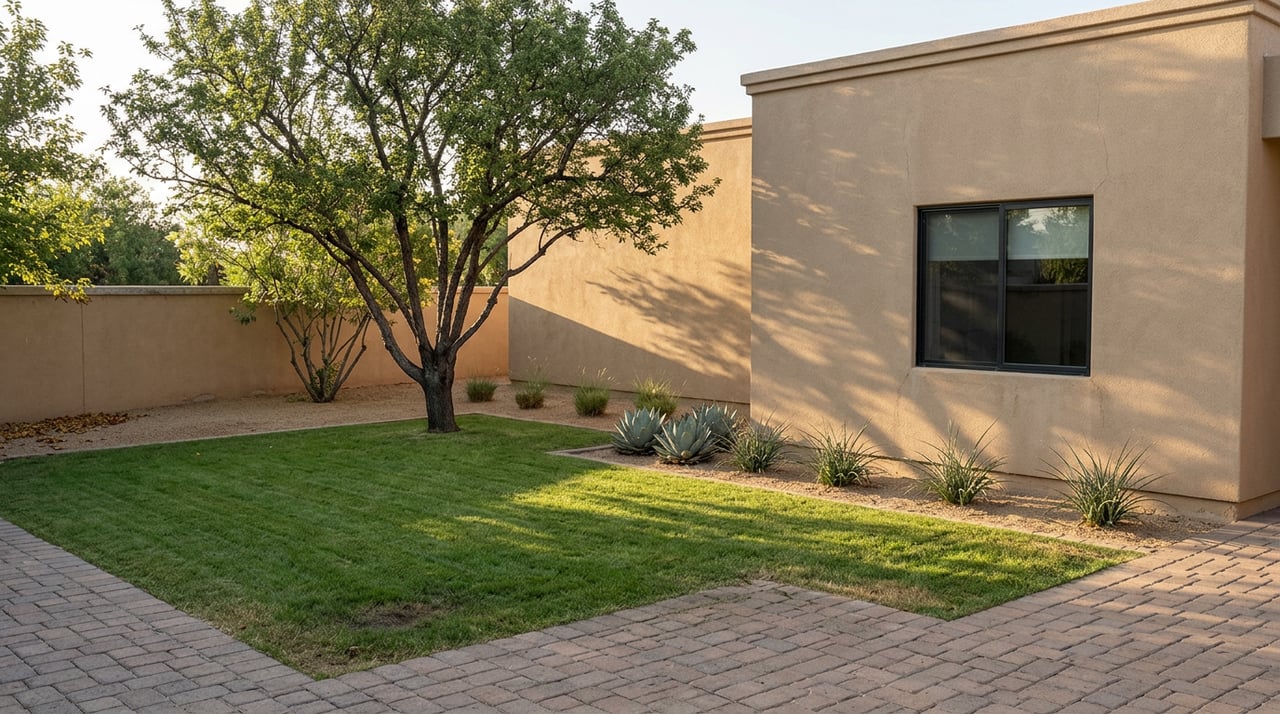
A listing that promises a half-acre lot with acequia access reads like a package deal: the house, the mature fruit trees, the ditch running along the back fence, all one purchase. In Alameda North Valley, where irrigation channels thread behind lots that have been farmed since the 1800s, that assumption is the single most common thing buyers get wrong between an accepted offer and the closing table. The ditch is a shared, publicly managed system. The right to pull water from it is a separate legal thing, and it does not always travel with the deed the way buyers expect.
This matters more this year than it has in a while, and not just because of paperwork. The cost of holding a water right through the Middle Rio Grande Conservancy District went up for fiscal year 2026, and the district that manages the whole system is publicly discussing how much longer its century-old delivery model will hold up. Anyone shopping for acreage in this corridor is buying into both.
The Ditch Is Infrastructure. The Water Right Is Membership.
An acequia is both a physical ditch and a governing body. New Mexico law recognizes acequia associations as political subdivisions with elected commissioners and a mayordomo, the person who manages maintenance schedules and water deliveries along that lateral. Landowners who hold water shares are called parciantes, and that membership status is what actually entitles someone to divert water at a headgate. Owning the dirt the ditch crosses does not automatically make someone a parciante.
In the Middle Rio Grande Valley, this gets one layer more specific. The Middle Rio Grande Conservancy District, which manages water along a 150-mile stretch of the river from Cochiti to Bosque del Apache, holds its own permit covering most of the irrigable acreage in the valley. Under that structure, the water rights created through MRGCD's permit cannot be sold off piecemeal by an individual landowner. A buyer isn't purchasing a standalone water asset the way they might purchase mineral rights elsewhere. They're stepping into a membership and an assessment obligation tied to the parcel, and that distinction changes what due diligence actually needs to check.
The easement itself has its own rule too. Under New Mexico law, an acequia holds a legal easement once a ditch has been in continuous use for irrigation for five years, and that easement carries the right to access, maintain, and improve the ditch across private property, including with heavy equipment during spring cleaning. A new owner who has never dealt with a ditch crossing their yard can be caught off guard the first time a maintenance crew shows up with a Bobcat. It isn't a boundary dispute. It's the easement doing what it has always done.
What the Assessment Actually Costs in 2026
Here is where the abstraction turns into a number. MRGCD's board raised the water service charge from $51.25 to $59.25 per acre for fiscal year 2026, which ran from July 2025 through June 2026, a jump of roughly 15.6 percent in a single year, according to the district's own approved budget. The district's assessments page still lists $59.25 per acre as the current annual charge, noting the rate is subject to change. On a typical North Valley half-acre to one-acre parcel, that's a few extra dollars a year, not a dealbreaker on its own. What it signals matters more than the dollar amount: the carrying cost of a water right moves with the district's budget cycle, and a buyer who never asks about assessment history has no idea whether they're inheriting a stable line item or one that's been climbing for years.
This is also where local pricing tends to sort itself, even if listings rarely spell it out. Homes in the roughly $550,000 to $850,000 range in the North Valley tend to sit near acequia trails and ditch-adjacent lots without necessarily carrying full water shares. Properties from around $850,000 to $1.2 million are more likely to include documented irrigation rights, a private well, or both. Above that, gated estates typically bundle water access into a larger custom build. None of this is a hard rule, but it explains why two lots that look similar on a map can carry very different water entitlements, and why the number on the listing sheet says nothing about which one you're getting.
The Paperwork That Surfaces at the Title Company, Not the Open House
The parts of a North Valley purchase that catch buyers off guard almost never show up during a showing. They show up when the title company starts pulling documents. Before writing an offer on anything with ditch frontage or claimed irrigation rights, a buyer's checklist should include:
- A title commitment that specifically names any recorded ditch or acequia easements and any MRGCD easements, not a generic reference to "utility easements."
- Written confirmation from the seller of acequia membership status, along with assessment payment history for the past several years.
- A conversation, ideally a walk along the ditch, with the mayordomo to confirm the headgate and turnout actually serving the parcel.
- A current boundary survey that shows the headgate and ditch alignment relative to the lot lines, since informal understandings about "where the water comes in" don't hold up in a dispute.
- Verification through the Office of the State Engineer's Water Rights Division that any claimed surface water right is actually recorded against the parcel.
New Mexico's standard property disclosure form does require sellers to address water rights and acequia agreements as part of the broader disclosure package, which gives buyers a starting document. It is not a substitute for the verification above. A seller can disclose in good faith that the property "has water rights" without knowing whether that membership is current, transferable, or attached to the specific acre they're selling.
Why the Ditch Itself Is Under More Pressure This Year
The water rights question isn't only a legal technicality this year. It's also a supply question. New Mexico entered spring 2026 with record-low snowpack and its warmest winter on record, conditions that accelerate evaporation in the same gravity-fed canals that feed North Valley acequias, according to reporting from Source New Mexico. Colin Baugh, mayordomo of the Pierce Lateral ditch in Los Duranes and a sitting MRGCD board member, has suggested the district look at pump stations to pull groundwater into the system rather than relying solely on the traditional gravity-fed model, pointing to Corrales as a nearby village already moving that direction.
None of this means acequia water is disappearing from the North Valley. It does mean the system a buyer is joining is actively adapting, and a right that has reliably delivered water for generations is operating under real strain in a way it wasn't a decade ago. Baugh, speaking about what the ceremony and structure around the acequia mean to the people who maintain it, put it simply: "This tethers us together." That's true of the obligations too. A parciante isn't a passive owner of an asset. They're a participant in a system that has to keep adjusting.
What This Means If You're Shopping the North Valley Right Now
The lesson isn't to avoid acequia-adjacent property. It's to stop treating "has water rights" as a marketing phrase and start treating it as a line item to verify, the same way a buyer would verify square footage or a roof's age. Ask for the assessment history. Confirm the headgate on a survey. Talk to the mayordomo before the inspection period closes, not after. On a parcel priced in that $850,000 to $1.2 million acreage tier, a documented, current water right is a meaningful part of what you're paying for. On a lower-tier listing near the trails, it may not exist at all, and that's fine too, as long as you know which one you're buying before you're past your contingencies.
Frequently Asked Questions
Does every North Valley property near a ditch have water rights? No. Proximity to an acequia does not create membership. Only documented parciante status, verified through the acequia association and the Office of the State Engineer, confirms an actual right to divert water.
What happens to the annual assessment if I don't plan to irrigate? The assessment is generally tied to the water right itself, not to whether the owner uses it. A buyer inheriting a water right through the parcel should confirm with the mayordomo or acequia commission whether the obligation continues regardless of use.
Can acequia access be lost after purchase? Water rights can be affected by non-use over time and by how the underlying MRGCD permit is administered. This is a matter for a real estate attorney or the Office of the State Engineer to confirm on a specific parcel, not something to assume either way.
If you're weighing a move into Alameda North Valley and want someone who will walk through the water rights question with you before you write an offer, not after, Andrea Romero has spent years working this corridor and can help you sort a real water right from a nice view of a ditch. Take a look at her Alameda North Valley neighborhood guide for more on the area, and if you're planning to sell a current home to fund the purchase, start with a free home valuation so you know your real number before you start touring acreage.